The Modern Photo Booth That Became More Popular Than We Expected
For years, our Vintage Booth was one of the most recognizable parts of the Snaptique collection.
Its oval wooden body and three-legged design reflected the vintage-inspired style that shaped our company from the beginning. But as we worked with more weddings, corporate clients and agencies, we began hearing a different request.
Clients wanted the same professional photography experience in something sleeker.
They were looking for a clean white booth that could fit into a contemporary wedding, a polished corporate event or a fully branded activation without competing with the environment around it.
At Snaptique, we try not to keep saying no when clients repeatedly ask for the same thing.
So, in February 2024, we introduced the Modern Booth.
We expected it to fill a gap in the collection. What surprised us was how quickly it became one of our most frequently booked booths—and how often it began going out instead of the Vintage.
The photography experience had not changed. We had simply placed it in a different package.
The Request for Something Sleeker
The Modern Booth was not created because there was something wrong with the Vintage.
It was created because event design was changing and clients wanted more choice.
The Vintage Booth has a distinct personality. Its wooden finish, oval shape and three legs make it visible in a room before someone steps in front of the camera. That character is exactly why many clients choose it—but a strong visual identity will not belong in every environment.
Some weddings were becoming cleaner and more minimal. Corporate clients wanted equipment that could sit naturally beside contemporary staging and décor. Agencies needed a booth that could be transformed without its original appearance influencing the finished activation.
The Modern gave those clients an alternative.
It has a shape similar to the Vintage Booth, but it stands on one streamlined pedestal rather than three separate legs. Its white finish and illuminated face create a cleaner, more contemporary silhouette.
It adapts easily to the room.
The Same Miniature Studio in a Different Package
Although the Vintage and Modern Booths look different from the outside, the experience behind the camera is intentionally consistent.
The Modern uses the same type of professional camera, studio lighting and printing equipment as the Vintage. We did not introduce it as a lower-quality or simplified alternative.
It is still a miniature photo studio designed for live events.
Guests pose in front of the booth and a backdrop, then receive professionally lit photographs. Clients can choose full 4 × 6 photographs or traditional 2 × 6 photo strips in colour or black and white.
The artwork is customized for the event.
For a wedding, that may be a restrained design using the couple’s names, date and colours. For a corporate event, it may include campaign artwork, sponsor information or a branded frame developed around the activation.
The difference between the Vintage and Modern is not the quality of the photograph. It is the physical design surrounding the equipment.
Building the First Modern Booth Ourselves
We originally fabricated our own Modern Booth in-house.
That first build allowed us to test the format, introduce the experience and confirm that the demand was real. It also taught us something important about the difference between successfully fabricating a booth and repeatedly manufacturing a pristine metal product at scale.
The Modern’s clean white finish is part of its appeal.
Because there are few decorative elements to distract the eye, the condition of that finish matters. Once the original booth began travelling regularly, we found that the material and painted surface we had used were more difficult to keep looking pristine through frequent transportation, setup and event wear.
Our shop has extensive fabrication experience, but factory metal production requires specialized equipment and repeatable processes beyond simply having a CNC machine. Precision metal cutting and forming, production fixtures and powder coating all contribute to a finish designed to withstand heavier use.
As demand grew, we invested in professionally manufactured, powder-coated models.
Those units hold up better through the working life of a busy event booth while maintaining the sleek presentation clients are choosing it for.
The first version proved the concept. The powder-coated models allowed us to scale it properly.
Today, we own several Modern Booths.
Why the Modern Became So Popular
We knew clients were asking for a sleeker option, but its popularity still surprised us.
The Modern now goes out more often than the Vintage.
Part of the reason is its versatility. The white finish can blend into a light wedding design, complement modern staging or provide a clean starting point for custom branding.
Its single pedestal also gives the structure a lighter visual footprint. Even when the booth is working with a full photography and printing system, it appears streamlined from the guest’s side.
That makes it an easy choice when someone likes the professional print experience but is uncertain which booth design belongs in the room.
The Modern is polished without being overly formal, contemporary without relying on a passing trend and distinctive without dominating the event design.
An Open-Air Experience
The Modern is an open-air photo booth.
Guests do not step inside an enclosure. They gather in front of the camera with a backdrop or event environment behind them.
This creates flexibility for groups and allows the backdrop to play a major role in the photographs. It also keeps the experience visible: other guests can see people posing and decide to join in.
The booth can operate within a smaller footprint when a venue requires it, but we generally recommend approximately 10 × 10 feet.
That recommendation is not based only on where the equipment physically fits. It allows room for the backdrop, comfortable posing and the activity that naturally develops around a photo booth. Planning for movement helps the experience feel welcoming rather than crowded.
A Clean Starting Point for Weddings
At weddings, the Modern works especially well for clients who want the booth to feel elegant and current without introducing a strong vintage element.
Its white body can sit naturally within neutral, romantic, colourful or minimal décor. The illuminated face gives it enough presence to look intentional without feeling heavy.
The booth can be paired with a simple backdrop when the priority is timeless photographs, or with a custom-designed background that connects it more directly to the wedding.
Print artwork can carry the couple’s names, date, monogram or visual details from the invitation suite. It is the same studio-quality experience as the Vintage, presented in a style that may feel more at home in the wedding the couple has designed.
When the Modern Becomes a Branded Booth
The clean exterior also makes the Modern a useful base for corporate events and brand activations.
The physical booth can be wrapped with custom graphics. The screen, print artwork and backdrop can then be designed around the same campaign so the entire guest journey feels connected.
We have wrapped Modern Booths for brands including Smashbox and Sephora.
For beauty brands in particular, presentation matters at every point. The booth needs to look polished in the room, the interface should connect to the campaign and the photograph should be something guests genuinely want to keep or share.
The Modern gives us a neutral structure that can be transformed without fighting against the booth’s original design.
From a distance, guests see an installation that belongs to the event. At the screen, they interact with customized artwork. In front of the camera, they enter a coordinated backdrop environment. The physical print then carries the experience beyond the booth.
Designed for Frequent Events
The Modern is designed as a one-person setup. One trained team member can transport and install it, connect the professional photography and printing equipment and prepare the experience for guests.
That efficiency helps with the practical realities of event work: loading docks, service elevators, controlled access times and rooms that may be changing over from one use to another.
Owning several units also allows the same booth style to serve multiple events and activations. Guests do not need to know how the booth travelled or how many pieces were involved. They see a clean white structure, a polished screen, professional lighting and finished photographs.
Modern or Vintage?
For clients choosing between the Modern and Vintage Booths, the most useful question is not which one takes better photographs.
They use the same professional approach to photography, lighting and printing.
The question is which design belongs at the event.
Choose the Vintage when its warm wooden body, oval form and three-legged silhouette contribute to the atmosphere you are creating.
Choose the Modern when you want a cleaner white finish, an illuminated face and a streamlined single-pedestal design that can fit easily into many different environments.
Both are open-air, produce 4 × 6 photographs or 2 × 6 strips and can be customized through the screen, print artwork and backdrop. The Modern can also be wrapped for a more complete branded transformation.
Sometimes clients know immediately which one feels right. Others decide after looking at their venue, décor and the other visual elements planned for the room. The booth will appear in the event space and often in the background of other images throughout the night, so its physical design is part of the experience.
The Booth That Found Its Place Immediately
We do not remember one specific first event for the Modern Booth.
That is partly because it found its place so quickly.
After launching in February 2024, the Modern began attending weddings, corporate gatherings and brand activations with enough frequency that no single debut became its defining story. The more important story is the pattern that followed.
Clients had asked for something sleeker. We built the first version, confirmed the demand and then invested in powder-coated models that could withstand the schedule the booth had earned.
What began as an alternative to the Vintage became one of the most popular photo booths in our collection.
The Modern did not replace what people loved about Snaptique’s original style. It gave clients another way to access the same professional photography experience—one that felt clean, streamlined and ready to become part of almost any room.
Sometimes a new product succeeds because it introduces something no one has seen before. And sometimes it succeeds because it is exactly the option people had been asking for.
Explore the Snaptique Modern Booth
The Modern Photo Booth is available for weddings, corporate events, product launches and brand activations in Toronto and across the GTA.
Pair its clean white finish with your choice of backdrop and customized print artwork, or transform the booth with a custom wrap for a branded experience. Guests can enjoy professional studio lighting with 4 × 6 photographs or 2 × 6 photo strips in colour or black and white.
Modern Photo Booth Rental Page: [LINK]
See All Snaptique Photo Booths: [LINK]
Written from our firsthand experience developing and operating Snaptique’s Modern Booth since 2024.
The Self-Serve Digital Photo Booth That Replaced Our Homemade Boomerang Booth
Before Snaptique had a Digital Booth, we had a Boomerang Booth that we built ourselves.
It gave guests a way to create short, playful moving content and helped us explore what a photo booth could be when the final result was designed for a phone rather than a printer.
But homemade event equipment has a demanding life. It is transported, set up and taken down repeatedly while being expected to look polished and operate consistently.
By 2023, we wanted to replace the original Boomerang Booth with something more solid and durable. We also wanted it to do much more than create one type of moving image.
We purchased our Digital Booth around the same time as our first 360 Video Booth. Unlike many booths in our collection, we did not rebuild or modify it.
That was intentional.
We wanted a reliable, self-contained experience our team could install quickly, guests could use on their own and clients could keep at an event for up to eight consecutive hours.
The result became Snaptique’s only iPad-based booth—and one of the most playful experiences in our collection.
From One Boomerang to an Entire Menu of Content
The original Boomerang Booth was built around one clear idea: create a short movement that could be shared digitally.
The Digital Booth expanded that idea into a full menu of options.
Depending on the event, guests can create:
- Still photographs
- GIFs
- Boomerangs
- Short videos
- AI face swaps
- Other customized digital effects
At one event, the experience may be a photograph with a custom digital frame. At another, the goal may be energetic video content. For a themed celebration or brand activation, an AI effect can transform the guest into something unexpected.
We have created some especially fun AI photographs with the Digital Booth, and examples from those events can become part of this article when the final images are selected.
The booth’s personality is playful. It invites people to experiment, try another pose and see what the next effect will do.
What “Digital Booth” Means at Snaptique
Our Digital Booth does not produce physical prints.
That distinction is important because “digital photo booth” can describe many different types of equipment. Some professional-camera booths provide both printing and digital delivery. Others use a tablet but still connect to an external printer.
Ours is intentionally digital-only.
Guests can receive their content by text or email, or download it through a QR code. After the event, the client receives an online gallery with downloadable copies.
Removing the printing system keeps the physical setup small and the guest experience fast. There is no printer station or separate print table to add to the footprint.
For clients who want guests to leave with a physical keepsake, one of our professional-camera print booths is usually the better fit.
For clients who want instantly shareable photographs, GIFs, boomerangs, videos or AI effects, the Digital Booth offers much more room to play.
A Self-Serve Booth with More Time Built In
Because the Digital Booth is designed to be self-serve, an attendant is not required for the standard rental. We deliver and prepare the booth, then guests can follow the onscreen prompts and create content whenever they are ready.
This efficient format allows us to offer the Digital Booth at a flat rate for up to eight consecutive hours at a single event. Clients receive longer guest access and predictable pricing without sacrificing the booth’s creative features or customization.
An attendant can still be added when a client wants a more guided experience, additional onsite support or someone encouraging guests to participate.
A Small Footprint with Built-In Lighting
The Digital Booth is our only iPad-based model.
It uses the iPad camera and a built-in ring light, creating a compact system without the separate components found in our studio-style print booths.
This makes it useful in spaces where a larger photo booth installation would be difficult.
It can fit into a reception area, conference space, retail environment or party without requiring a large operational footprint. It still needs enough clear space in front for guests to pose comfortably.
Larger groups can gather in front of it, but we recommend smaller groups for the best image quality.
The Digital Booth is not intended to replace the professional-camera quality of our Modern, Vintage, Compact or enclosed print booths. It serves a different purpose: quick interaction, animated content, easy sharing and a smaller self-serve setup.
Choosing between them begins with deciding what guests should create and how they should receive it.
What Can Be Customized
A small booth does not need to create a generic experience.
The physical Digital Booth can be wrapped with custom graphics, allowing the unit itself to coordinate with a campaign, event theme or visual identity.
The onscreen experience can also be customized, including:
- The start screen
- Digital photo frames
- Animations
- Sharing screens
- AI effects
- The finished online gallery
These elements can form one connected guest journey. Someone may approach a booth wrapped in the event graphics, see the same visual language onscreen and receive content carrying a coordinated digital frame.
For brand activations, the booth can feel like part of the campaign rather than equipment with a logo added at the end. For weddings and private celebrations, customization can be quieter: a monogram, event colours or a simple personalized frame.
Sharing When Venue Wi-Fi Is Unreliable
Internet access is helpful for a booth that delivers its content digitally, but venue Wi-Fi is not always dependable.
Our Digital Booth has its own cellular data connection, so it can normally send texts and emails as long as the venue has good cellular service.
If both Wi-Fi and cellular reception are poor, the content is not lost.
The booth saves each session locally. Once service returns, it uploads the content and pushes out the queued texts and emails.
Ballrooms, lower levels, rural venues and buildings with thick walls can all create connectivity challenges. A guest may not receive a message immediately, but the photograph, GIF or video remains saved for delivery.
The client’s downloadable gallery also provides a complete collection after the event.
One of Its First Events
One of the Digital Booth’s first outings was a student event in April 2023.
It was a natural early setting for a self-serve experience. Guests were comfortable interacting with the screen, creating digital content and sending it directly to their phones.
Since then, the Digital Booth has been used across many types of events.
Clients choose it when they want an activity guests can enjoy independently. Some are working with a smaller footprint or budget. Some want more video content. Others know their audience is more likely to share a digital image than carry a print.
It can be staffed, wrapped and developed into a guided activation, but it does not require that level of production to be fun.
The Booth That Grew Beyond the Boomerang
The Digital Booth began as a practical replacement.
We needed something sturdier than the homemade Boomerang Booth we had built ourselves. We wanted our team to be able to install it quickly, and we wanted guests to use it confidently without an attendant standing beside it.
What we gained was a much more flexible experience.
It can create photographs, GIFs, boomerangs, videos and AI transformations. It can be wrapped for a brand, personalized for a celebration and send content immediately—or save it safely until a connection returns.
Most importantly, it has a clear role within the Snaptique collection.
The Digital Booth is not trying to imitate our miniature photo studios or replace the experience of holding a freshly printed photograph. It is the playful one: compact, self-serve and built for guests who want to create something fun and take it with them on their phone.
Explore the Snaptique Digital Booth
The Digital Booth is available for weddings, student events, corporate gatherings, parties and brand activations in Toronto and across the GTA.
Rent it as a self-serve experience for up to eight consecutive hours at one event, or ask about adding an attendant. Customize the booth wrap, start screen, digital frames, animations, sharing screens and gallery around your event.
Digital Photo Booth Rental Page: [LINK]
See All Snaptique Photo Booths: [LINK]
Written from our firsthand experience operating Snaptique’s Digital Booth since 2023.
How to Include a Photo Booth in Your Wedding Timeline
A photo booth fits best into a wedding timeline when you plan it around what your guests will actually be doing—not simply around the first and last time printed on the venue itinerary.
Start with the moments everyone should be watching: the ceremony, dinner, speeches, first dance and parent dances. Then look for the social windows around them. Cocktail hour and the open reception are usually the strongest times for the booth because guests are free to gather, move around and enjoy it.
The examples below are practical starting points. You can copy the one that most closely resembles your wedding, adjust the times and share the finished schedule with your planner, MC, venue and photo booth team.
The Short Answer
Build your wedding photo booth schedule in this order:
- Add the fixed moments: ceremony, dinner, speeches and formal dances.
- Open the booth during a natural social period—usually cocktail hour.
- Use standby while guests are eating or listening to speeches.
- Reopen after the formalities, ideally before older relatives and families begin leaving.
- Add the setup-access time, day-of contact and MC announcements.
A strong full-coverage schedule is one active hour during cocktails, standby through dinner and speeches, then three active hours after the formalities. If you only want three active hours, either run them consecutively after dinner or split them into one hour before dinner and two hours afterward.
Start with the Wedding Moments That Cannot Move
Before adding the booth, place the major wedding moments on the timeline:
- Ceremony
- Guest arrival at the reception
- Cocktail hour
- Dinner service
- Speeches
- Cake cutting, if it is a scheduled focal point
- First dance and parent dances
- Dance floor opening
- Late-night food
- Venue closing time or final transportation
These are your anchors. The booth should fit around them rather than force the rest of the wedding to accommodate it.
Once the anchors are visible, the useful photo booth windows become much easier to spot. Guests are usually free during cocktails, after the formal dances and throughout the open reception. They are much less available while seated for dinner or listening to speeches.
The Five Photo Booth Times to Add
The booth needs more than one line on the itinerary. Add each time separately so everyone understands the plan.
| Timeline item | What it means |
|---|---|
| Venue access for setup | The earliest time the team can unload and begin installing the booth |
| Booth opens | The first time guests can begin using it |
| Standby begins | Active service pauses while the booth remains installed |
| Booth reopens | Guest service resumes after dinner or formalities |
| Booth closes | The contracted service ends and teardown follows |
Setup time is separate from operating time. If your booth opens at 5:00 p.m., the team needs access well before 5:00 p.m. to unload, install, test and finish before guests arrive.
The exact setup window depends on the selected booth, venue access and installation requirements. Loading docks, service elevators, stairs, room flips and long routes from parking can all affect the plan, so share those details early.
If your ceremony and reception are at separate locations, the reception venue may need to give the team access while the ceremony is still happening. Plan backward from guest arrival so the booth can be fully installed and tested before everyone reaches the reception.
Template 1: Full Wedding Coverage
This is the schedule we most often recommend when you want the booth to feel like part of the full celebration.
| Time | Wedding timeline | Photo booth plan |
|---|---|---|
| 4:00 p.m. | Ceremony | Setup already completed or underway elsewhere, depending on venue access |
| 4:30 p.m. | Cocktail hour begins | Booth opens |
| 5:30 p.m. | Guests move into reception | Standby begins |
| 6:00 p.m. | Dinner service | Booth remains on standby |
| 7:15 p.m. | Speeches | Booth remains on standby |
| 8:00 p.m. | First dance and parent dances | Booth remains paused |
| 8:15 p.m. | Dance floor opens | Booth reopens |
| 10:45 p.m. | Final booth reminder | MC invites guests for their last photographs |
| 11:15 p.m. | Reception continues | Booth closes |
This schedule gives you one active hour at cocktails and three active hours afterward. It captures guests twice: freshly dressed and gathering with family at the beginning, then more relaxed and playful later in the reception.
Standby protects the active hours during the part of the wedding when participation normally slows. It also keeps the booth from distracting from speeches and gives the attendant time for their vendor meal.
The times can move. What matters is the shape of the schedule: open, pause, reopen.
Template 2: Three Consecutive Hours After Dinner
If you do not want cocktail-hour coverage, use the final course and formalities—not a generic clock time—to choose the opening.
| Time | Wedding timeline | Photo booth plan |
|---|---|---|
| 4:00 p.m. | Ceremony | Team follows the confirmed setup-access plan |
| 4:30 p.m. | Cocktail hour | Booth is installed but not yet operating |
| 5:45 p.m. | Guests are seated | Booth remains closed |
| 6:00 p.m. | Dinner service | Booth remains closed |
| 7:30 p.m. | Speeches | Booth remains closed |
| 8:00 p.m. | First dance | Guests focus on the dance floor |
| 8:15 p.m. | Open reception begins | Booth opens |
| 10:45 p.m. | Final booth reminder | MC announces that 30 minutes remain |
| 11:15 p.m. | Reception continues | Booth closes |
This works well when you want one uninterrupted service period and most guests will stay into the reception.
If many grandparents, older relatives or families with young children may leave early, try not to push the opening past 9:00 p.m. A cocktail-hour session or earlier reopening gives those guests a better opportunity to participate.
Template 3: Split Three-Hour Schedule
You can still capture two different parts of the wedding with three active hours.
| Time | Wedding timeline | Photo booth plan |
|---|---|---|
| 4:30 p.m. | Cocktail hour begins | Booth opens |
| 5:30 p.m. | Guests move into dinner | Standby begins after 1 active hour |
| 6:00 p.m. | Dinner service | Booth remains on standby |
| 7:15 p.m. | Speeches | Booth remains on standby |
| 8:15 p.m. | Formal dances end | Booth reopens |
| 9:45 p.m. | Final booth reminder | MC announces that 30 minutes remain |
| 10:15 p.m. | Reception continues | Booth closes after 2 more active hours |
This is a good compromise when the photographs from cocktail hour matter to you, but you do not need the booth running late into the night.
It also gives guests who leave earlier a chance to use it. The tradeoff is that the later session is shorter, so the MC announcement and a visible booth location become more important.
A side note for relaxed receptions: If you are planning a buffet, cocktail-style reception or indoor-outdoor celebration where guests move freely, continuous booth operation may make more sense than a formal open-pause-reopen schedule. A self-serve Digital Booth can also work well for a longer, flexible window, but keep it visible and ask the MC or planner to mention it since there is no attendant circulating to remind guests. Even at a relaxed wedding, identify any speeches or formal dances when booth activity should soften or pause.
Add the Booth to the Master Wedding Timeline
Do not keep the booth schedule in a separate email that only the couple and photo booth company can see. Add it to the same master itinerary used by the planner, venue, catering team, DJ and MC.
Include:
- Confirmed booth location
- Venue access and setup time
- First opening time
- Standby start
- Planned reopening
- Closing time
- Day-of decision-maker
- MC opening announcement
- MC final reminder
- Any loading-dock, elevator or teardown restrictions
This prevents the common situation where the planner expects the booth to reopen after the first dance, the MC thinks it is already open and the attendant has been given a different time.
One shared timeline gives everyone the same plan.
Give the MC Two Photo Booth Announcements
Add the announcements directly to the MC’s copy of the timeline.
Opening announcement
The photo booth is now open [LOCATION]. Please stop by, take your photos and enjoy a copy to bring home.
Final reminder
The photo booth closes in 30 minutes. If you have not taken your photos yet—or you still need one with your favourite people—now is the time.
The location matters. “The photo booth is open” is not enough when it is around a corner, in a hallway, on another level or outside inside a trailer.
The final reminder catches the guests who have been planning to use it “later” all night.
Name One Day-of Decision-Maker
Choose one person who can answer timeline questions without asking the couple to make every small decision.
That person may be:
- Your wedding planner or coordinator
- A trusted family member
- A member of the wedding party
- The venue coordinator, when they are managing the complete reception
Share their name and mobile number before the wedding.
The Snaptique attendant and planner can then coordinate if dinner runs late, a speech is added or the dance floor opens earlier than expected. They can pause active encouragement during important moments and restart when the room is ready.
There is flexibility in how the attendant responds to the live event, but a delayed reopening does not automatically move the contracted closing time. If extra time is available, an extension may be offered.
Final Timeline Checklist
Before sending the schedule, confirm:
- The booth is open during a social period, not dinner or speeches
- Setup access is earlier than the guest opening time
- The venue knows the booth location and required space
- Loading, parking, elevator and stair details have been disclosed
- Power and Wi-Fi requirements have been discussed
- Standby is clearly marked, when included
- The first dance and parent dances do not conflict with reopening
- The booth reopens early enough for the guests you most want photographed
- One day-of decision-maker is named
- The MC has an opening announcement and final reminder
- The closing time matches the confirmed booking
- Teardown timing follows the venue’s rules
Download the Blank Wedding Photo Booth Timeline
Use the printable worksheet to place the booth beside the rest of your wedding schedule. Fill in the fixed moments first, then add opening, standby, reopening and closing times. The worksheet is a planning tool. Your final operating, setup and standby times should always match the details confirmed in your booking.
Frequently Asked Questions
What is the best photo booth timeline for a wedding?
A strong full-coverage plan is one active hour during cocktail hour, standby through dinner and speeches, then approximately three active hours after the formal dances. Adjust the exact times to fit the real wedding itinerary.
Can photo booth hours be split?
Yes, with advance planning. One hour during cocktails and two hours after dinner is a practical way to divide three active hours. Confirm the split schedule when arranging the booking.
Should setup time appear on the wedding timeline?
Yes. Setup does not reduce the contracted operating time, but the venue, planner and photo booth team need a confirmed access window. List setup separately from the guest opening time.
What happens if dinner or speeches run late?
The attendant can coordinate with the planner, remain respectful of formalities and adjust how actively the booth is promoted. A late-running wedding does not automatically extend the confirmed closing time.
Who should decide when the booth reopens?
Name the planner or another trusted day-of contact. They can coordinate with the attendant without repeatedly interrupting the couple.
When should the MC announce the booth?
Ask for one announcement when the booth opens and another approximately 30 minutes before it closes. Include the booth’s exact location in both.
Build the Timeline Around the Experience You Want
The right wedding timeline is not necessarily the one with the most booth hours. It is the one that places those hours where your guests can enjoy them.
If you want polished photographs of everyone freshly dressed, include cocktail hour. If you want one simple service block, open after dinner and the formal dances. If you want both feelings with a shorter booking, split the active hours and use standby through the formal program.
When planning a photo booth rental in Toronto, share the full wedding itinerary rather than only the requested booth start time. A few small scheduling decisions can determine whether the booth feels tucked into the corner or becomes a memorable part of the day.
Let Us Help Build Your Booth Schedule
Send Snaptique your ceremony time, cocktail hour, dinner service, speeches, formal dances, booth location and venue-access details. We can help identify the most useful opening, standby, reopening and closing times.
- Explore Snaptique wedding photo booths
- Explore all Snaptique photo booths
- Contact Snaptique for a timeline recommendation and quote
Continue Planning
- When Should a Photo Booth Open at a Wedding?
- How Many Hours Do You Actually Need a Photo Booth?
- What Is Included in a Professional Photo Booth Rental?
- How Much Space Does a Photo Booth Need?
Author: Chantalle Gallego, Co-Founder of Snaptique Photo Booths
First published: September 7, 2026
Last reviewed: July 27, 2026
Experience note: Based on Chantalle and the Snaptique team’s firsthand experience planning and operating wedding photo booths since 2014.
Corporate Holiday Party Photo Booth Ideas in Toronto: How to Choose the Right Experience
The best corporate holiday party photo booth is not always the one with the most Christmas props.
Before we recommend a booth, we want to understand the party itself. Is the company planning a cozy winter evening, an elegant winter wonderland, a playful elf-themed celebration or a high-energy year-end party? What colours are being used? How large is the venue? How many guests are attending? And does the company want printed keepsakes, instantly shareable videos or polished branded content?
The theme is not something we consider only after the booth has been selected. It can help determine which photo booth experience will feel like it truly belongs at the event.
Two companies may both be planning a traditional office Christmas party and still need completely different setups. One might look best with our wooden Vintage Photo Booth, warm lighting and custom winter props. Another might suit the clean white design of our Modern Photo Booth with graphics in the company’s colours.
If you are planning a corporate holiday party in Toronto, this guide will help you match the booth to the atmosphere, venue, guest count and kind of experience you want to create.
Start with the holiday party theme
A holiday photo booth should feel like part of the party—not like a piece of equipment that was placed in an empty corner.
We begin by asking what the event is supposed to feel like:
- Cozy and nostalgic
- Elegant and wintry
- Playful and colourful
- Glamorous and red-carpet inspired
- Modern and brand-focused
- Energetic and social
We also ask about the company’s colours and any existing décor. A winter wonderland designed in white and silver calls for a different booth than an elf-themed party filled with red, green and oversized props.
Here are a few examples of how the theme can influence the recommendation:
Cozy winter or ski-lodge theme
Our Vintage Photo Booth is a natural fit for warm, nostalgic celebrations. Its wood finish works beautifully with greenery, plaid, warm lights and traditional winter décor.
A photo booth trailer can also be staged as its own little holiday destination. We can decorate the area around it with winter theming so that stepping outside becomes part of the experience.
Elegant winter wonderland
For a sophisticated white, silver or icy-blue event, the Modern Photo Booth or Classic Enclosed Photo Booth can blend into the design without making the party feel overly playful.
The Modern has a clean, streamlined appearance, while the Classic gives guests a private enclosed space and can be customized for the event.
Playful elf-themed party
A Digital Photo Booth or 360 Video Booth works well when the party is colourful, energetic and a little silly. Custom props can follow the theme, while branded overlays and effects keep every photo or video connected to the event.
Glamorous holiday gala
For a formal gala, the Classic Enclosed Photo Booth creates an intimate portrait moment away from the room, while the GLAMBOT turns each guest’s entrance into dramatic slow-motion content.
Strong corporate branding
If the holiday event needs to feel festive while remaining closely tied to the company’s identity, we can build the colours, logo and campaign graphics into the experience. Depending on the event, that may include custom print templates, booth graphics, start screens, video effects, backdrops and props.
The important point is that the theme should help choose the booth—not merely decorate it after the decision has already been made.
Which photo booth is best for an office Christmas party?
Once we understand the theme, we look at how guests will use the experience.
Vintage or Modern Photo Booth for a traditional office party
For a familiar office Christmas party with a mix of ages and personalities, our Vintage and Modern Photo Booths are both dependable choices.
They produce physical prints, are easy for guests to understand and work well throughout an evening. The difference is mainly aesthetic: Vintage brings warmth and character, while Modern suits a cleaner, contemporary event design.
Both can be paired with a custom backdrop, print design and props that follow the party’s theme.
Classic Enclosed Photo Booth for an elegant corporate gala
Our Classic Enclosed Photo Booth is a strong choice when the event is more formal or the planner wants to give guests a little privacy.
The enclosed space lets small groups step away from the room and take their photos without an audience watching. Its curved exterior panels can also be customized to complement the event design or corporate branding.
360 Video Booth for a younger, high-energy crowd
The 360 Video Booth is best when the goal is movement, music and shareable content.
Guests stand on the platform while a camera rotates around them to create a slow-motion video with customized effects. It is especially effective at lively holiday parties where guests are already ready to dance, pose and interact.
Because the platform requires room for safe entry, posing and exit, we always consider the venue layout before recommending it.
Digital Photo Booth for a small venue
When floor space is limited, a Digital Photo Booth can provide a complete experience with a much smaller footprint.
Guests can create photos, GIFs or boomerangs and receive them by text, email or QR code. There is no printer, which also reduces the amount of equipment required around the booth.
The graphics can still be customized for the holiday theme and company branding.
Compact Photo Booth—or multiple booths—for hundreds of guests
For a large company party, capacity matters just as much as appearance.
Our Compact Photo Booth creates the same professional prints as our larger print experiences but has a more efficient footprint. For events with hundreds of guests, we may also recommend multiple booths so that people can participate without spending too much of the evening in line.
There is no universal guest-count rule because timing, venue layout and the type of output all affect throughput. The better approach is to plan capacity around the actual event instead of assuming one booth will suit every crowd.
GLAMBOT for polished branded social content
When a company wants dramatic content that guests will be excited to share, the GLAMBOT creates a very different experience from a traditional photo booth.
A robotic camera arm captures high-frame-rate movement while our operator controls the path, speed and effects. The result feels more like a red-carpet activation than a standard booth.
The GLAMBOT requires more space, lighting and staffing, so it works best when it is planned as a feature of the event rather than added at the last minute.
Holiday photo booth customizations that go beyond Santa hats
There is nothing wrong with a Santa hat—but holiday customization can go much further.
Depending on the experience, we can incorporate:
- Custom props created for the party theme
- Company colours and logos
- Holiday print templates
- Custom backdrops
- Branded booth graphics or full wraps
- Personalized start screens
- Branded photo, GIF or video overlays
- Custom 360 effects
- Themed GLAMBOT edits
- Winter décor around a trailer booth
Custom props are especially useful when the party has a specific concept. An elf workshop, après-ski evening and elegant winter gala should not all receive the same box of generic Christmas accessories.
The most memorable setups usually have one clear visual direction carried through the booth, backdrop, graphics and props.
Can a photo booth trailer work at a winter holiday party?
Yes. Our trailer photo booths can work wonderfully for holiday events.
The exterior can be staged with winter décor so the trailer feels like part of the celebration. Guests generally do not mind stepping outside for a festive experience when they know in advance and are dressed for the weather.
The venue still needs suitable access, parking and power, and the weather must be considered during planning. But an outdoor setup should not automatically be dismissed simply because the event takes place in November or December.
For the right theme, the trailer can become one of the most magical-looking parts of the party.
Add a real Santa—even if the party is for adults
One of the simplest ways to turn a holiday photo booth into an experience is to add an actual Santa.
It may sound as though this would appeal mainly to children, but adults have just as much fun with it. Coworkers can take group photos, recreate childhood Santa poses or finally get the funny company Christmas card they would never organize on an ordinary workday.
Santa also gives guests an immediate reason to enter the booth. Instead of wondering how to pose, they already have a character to interact with and a moment to build around.
The most common holiday-party mistake: booking too late
November and December dates fill quickly, even with our capacity to operate several events.
In our experience, Tuesdays and Fridays during the last week of November and the first two weeks of December are especially busy. They are popular dates for company celebrations, which means availability can become tight much earlier than planners expect.
Booking early also gives everyone more time to:
- Select the experience that actually fits the event
- Confirm access, power and placement with the venue
- Develop custom graphics and print designs
- Create props or branded booth elements
- Coordinate a Santa or other holiday performer
- Plan for multiple booths when the guest count requires them
A last-minute booking may still be possible, but it can limit the booth choices and customization options available.
Do not be afraid to go all-in on the holiday magic
Corporate events often need to feel polished, but polished does not have to mean cautious.
The holidays give companies permission to create something warmer, more playful and more theatrical than they might choose at another time of year. A themed booth, an outdoor trailer, a real Santa or a dramatic slow-motion experience can help people relax and enjoy being together.
The photo booth is not only there to document the party. It can help create the atmosphere in the first place.
How to choose the right corporate holiday party photo booth
Before making the final decision, consider these five things in order:
- Theme and atmosphere: What should the celebration feel like?
- Venue and available space: Where can the booth fit without disrupting the event?
- Guest count: Will one experience handle the number of people attending?
- Audience energy: Would guests enjoy prints, private portraits, playful videos or a red-carpet moment?
- Desired content: Does the company want physical keepsakes, instant digital sharing or highly branded social content?
Starting with those questions produces a better recommendation than selecting a booth from photographs alone.
If you are planning a corporate holiday party in Toronto, Snaptique can help you choose an experience based on the theme, venue, number of guests and goals for the event. We can also customize the visuals so the booth feels connected to the celebration from the first screen to the final photo, print or video.
[Explore Snaptique’s corporate photo booth experiences]
Frequently Asked Questions
What is the best photo booth for a corporate Christmas party?
It depends on the theme, venue, guest count and desired output. Vintage or Modern works well for a traditional office party, Classic suits an elegant gala, 360 creates a high-energy video experience, Digital fits smaller venues, Compact handles print experiences efficiently, and GLAMBOT creates polished social content.
How early should we book a holiday party photo booth in Toronto?
Book as early as possible once the date and venue are confirmed. Tuesdays and Fridays during the last week of November and first two weeks of December are particularly popular and can fill quickly.
Can a corporate holiday photo booth be customized?
Yes. Depending on the booth, customization can include props, backdrops, print templates, booth graphics, start screens, logos, branded overlays, 360 effects and GLAMBOT edits.
Can a trailer photo booth operate during the winter?
Yes, provided the venue has suitable access, parking and power and the weather is considered during planning. Guests are generally happy to step outside for a festive experience when they know to dress accordingly.
Should a large corporate party have more than one photo booth?
It may be worthwhile for events with hundreds of guests. Multiple booths can reduce wait times and can also give guests more than one type of experience.
Are Santa photo booths only suitable for family events?
No. Adults often have just as much fun taking group photographs with Santa, especially at company holiday parties where the experience gives coworkers an easy way to participate together.
SEO and Publishing Notes
Suggested URL slug: /blog/corporate-holiday-party-photo-booth-ideas-toronto
SEO title: Corporate Holiday Party Photo Booth Ideas Toronto | Snaptique
Meta description: Planning an office Christmas party in Toronto? Compare photo booth ideas by theme, venue, guest count and content goals, from printed photos to 360 and GLAMBOT.
Primary search phrase: corporate holiday party photo booth ideas Toronto
Supporting search phrases:
- holiday party photo booth ideas
- office Christmas party photo booth
- corporate Christmas party photo booth Toronto
- winter wonderland photo booth
- Christmas photo booth backdrop
- Santa photo booth for adults
- holiday party entertainment Toronto
Recommended internal links:
- Corporate Photo Booth Rentals
- Vintage Photo Booth
- Modern Photo Booth
- Classic Enclosed Photo Booth
- 360 Video Booth
- Digital Photo Booth
- Compact Photo Booth
- GLAMBOT
- Trailer Photo Booths
- Contact or Quote page
Suggested hero image: A polished Snaptique holiday-event image showing a recognizable corporate celebration, ideally with strong winter theming rather than a generic stock Christmas setup.
Suggested supporting images:
- Vintage or Modern at a traditional holiday event
- Elegant Classic Enclosed setup
- High-energy 360 or GLAMBOT moment
- Customized holiday props or print design
- Winter-themed trailer setup
- Guests posing with a real Santa
Editorial note: Replace the bracketed CTA with the final Corporate service-page link before publishing. Add one or two named event examples later if a suitable client can be discussed publicly; the draft intentionally does not invent an event story.
2×6 Photo Strips vs. 4×6 Photos: Which Is Better for Your Event?
Honestly, both are awesome. This is one of those event decisions where there is no wrong answer—the better question is what you want the finished print to feel like.
Choose 2×6 photo strips when you want the familiar photo-booth feeling: several poses, a playful sequence and a nostalgic strip guests can take home. Choose 4×6 photographs when you want a larger image, more visible outfits and backdrop details, stronger portrait impact or additional room for branding.
At Snaptique, there is no standard price difference between the two sizes. Both can be customized, and every person in the photograph can receive a copy. You can make the decision based on the vibe you want rather than worrying that one is the “premium” choice.
Guest count can affect the recommendation. A 2×6 layout is efficient for busy events because two strips are produced from one 4×6 sheet. A 4×6 print may leave the printer slightly faster as an individual sheet, but every guest needs a separate full sheet. For a large event or frequent groups of ten, a second printer can help maintain the flow when 4×6 prints are selected.
The Quick Comparison
| Consideration | 2×6 photo strips | 4×6 photographs |
|---|---|---|
| Overall feeling | Classic, playful and nostalgic | Modern, polished and portrait-focused |
| Typical layout | Up to four poses | Commonly one large image, but multiple images are possible |
| Image size | Smaller photographs arranged in sequence | More room to display each selected photograph |
| Orientation | Vertical strip | Portrait or landscape |
| Branding space | Effective when the design is simple | More space for logos, sponsors and campaign messaging |
| Large groups | Efficient when many copies are needed | Shows outfits and details well, but each guest requires a full sheet |
| Busy events | Two strips are printed from each 4×6 sheet | Consider a second printer for frequent large groups |
| Guest books | Excellent fit and leaves room for messages | Can be used, but occupies more of the page |
| Framing | More specialized frame size | Standard frames are easy to find |
| AI experiences | Not Snaptique’s recommended format | Recommended so the generated result has room to be appreciated |
| Price | No standard difference | No standard difference |
Why Choose 2×6 Photo Strips?
The 2×6 strip is the format many people picture when they hear “photo booth.” There is something instantly fun about seeing several expressions lined up in that familiar narrow shape.
It tells a tiny story rather than saving only one moment. Guests can begin with a normal pose, try something playful in the next frame and finish with a completely different expression. Up to four photographs fit comfortably, depending on the layout and the space needed for artwork.
This makes strips particularly well suited to:
- Weddings and guest books
- Parties with playful, social guests
- Events that want several poses from each session
- High guest counts where many copies need to be produced
- Designs that benefit from a classic photo-booth reference
A strip is not too small to look good. The photographs, event name, date, short message and logo can all remain clean and readable when the layout respects the available space. The only real mistake is asking a two-inch-wide strip to behave like a full event poster.
Photo strips are still popular because the shape is part of the experience. Guests instantly recognize one as a photo-booth keepsake rather than a standard event photograph.
Why Choose 4×6 Photos?
A 4×6 makes the photograph the star.
Yes, you could technically fit as many as eight small images on one ambitious 4×6 design. At that point, however, you are turning the larger print into a miniature contact sheet. Most events get much more from the format by using one strong photograph, although a tasteful multi-image layout is still possible.
The larger format works especially well when you want to show:
- Full outfits
- Detailed or scenic backdrops
- Larger groups
- Higher-impact portraits
- AI-generated scenes
- Prominent logos or sponsor information
- Campaign messaging that needs more breathing room
The layout can be portrait or landscape, so the design can follow the photography style, backdrop, event branding and way people will be framed.
At a wedding, a 4×6 can feel like a polished reception portrait. At a corporate event, it gives the photograph, logo, campaign line and sponsor information more room to breathe.
How Are 2×6 Photo Strips Actually Printed?
Here is the slightly nerdy printer detail that actually affects your event: modern event printers use 4×6 media for both formats.
When the booth is set for 2×6 strips, the software places two matching strips side by side on a single 4×6 sheet. The printer produces that sheet and automatically cuts it in half, creating two separate strips.
This has an important effect on event flow:
- One 4×6 print cycle produces one 4×6 photograph.
- One 2×6 print cycle produces two photo strips.
If five guests are in a photograph, Snaptique still prints one copy per person. The printer produces three 4×6 sheets in strip mode, cuts them into six strips and leaves one extra. We usually give the bonus strip to the person waiting for the last set—or use it for the guest book when one is included.
That is why “Which one prints faster?” has a slightly annoying but honest answer: it depends what you are counting. One uncut 4×6 may leave the printer a little faster, but 2×6 strips are normally more efficient for groups because every sheet produces two finished copies.
Which Print Size Is Better for Large Guest Counts?
This is where 2×6 strips quietly win. For a high-volume event, Snaptique generally recommends them when the style suits the look you want.
The printer can create two guest copies during each 4×6 print cycle, which helps when several people appear in every photograph. A group of ten needs five printed sheets to receive ten strips, compared with ten full sheets when everyone receives a 4×6.
Across a busy wedding, conference or public activation, those saved print cycles add up quickly.
You can absolutely choose 4×6 for an event with large groups. If groups of approximately ten will be common, a second printer is worth considering. You still get the larger keepsake without making the final person in every group wait through ten separate print cycles.
Print speed is only one part of throughput. Session length, number of poses, guest readiness and how quickly groups enter and leave the photography area also affect the line.
Which Format Is Better for Groups and Full-Outfit Photographs?
The 4×6 format gives the finished image more room, so it is usually better for showing:
- Full outfits
- Formalwear
- Larger group compositions
- Detailed backdrops
- Portrait lighting
- Small visual details
The print size does not determine how many people can physically fit in the photograph. Camera distance, backdrop width and available posing space do that. However, once the photograph is taken, a larger print makes the people and details easier to appreciate.
A 2×6 can still photograph the same group when the booth setup allows it. Each individual pose will simply appear smaller because several photographs and the artwork share a narrower layout.
Which Format Is Better for Branding?
The 4×6 gives your artwork more breathing room.
That can be valuable for a corporate event with a prominent logo, several sponsors, an event title, a campaign message or a detailed branded border. The wider canvas gives the design team more ways to balance the image and artwork without making either feel cramped.
A 2×6 strip can still be highly branded and easy to read. Think of it as a smaller canvas, not an impossible one. In many cases, one clear logo, a short line of text and an intentional colour treatment are all it needs.
Once you choose a format, our graphic team uses your logo, colours, message or inspiration to create three design options. You choose the direction you like, and up to two rounds of revisions are included before final approval. You do not have to imagine whether everything will fit; you will see the layout and have a chance to refine it before the event.
The right question is not simply, “Which format has more branding?” It is, “How much information does this particular print need to carry?”
Why Does Snaptique Recommend 4×6 for AI Photos?
If you are paying for a custom AI photo experience, let the finished result show off a little.
AI images require additional creative work, processing and generation credits. They also tend to contain more detail than a standard photo-booth frame. A 4×6 gives the transformed environment, styling and smaller generated elements enough room to be appreciated.
For that reason, Snaptique offers AI print experiences in the 4×6 format rather than reducing the result to a small frame on a 2×6 strip.
Are 2×6 Strips Better for a Wedding Guest Book?
Photo strips are an excellent guest-book format.
Their narrow shape leaves room beside each print for handwritten messages, signatures and advice to the couple. They also preserve the classic sequence of poses that makes a photo-booth guest book fun to revisit.
Snaptique’s standard print policy is one copy per person in the photograph. When a guest book is included, an additional copy is printed for the book. Guests do not have to surrender one of their personal strips so the couple can keep the memory.
A 4×6 can also go into a guest book, but it takes up more of the page. Choose based on whether you picture pages filled with playful pose sequences and handwritten notes or fewer, larger portraits.
Which Print Is Easier to Keep After the Event?
A 4×6 is the most familiar frame size. Standard frames are widely available, and the print sits naturally with other event and family photographs. It is also an easy size for a fridge, desk or photo album.
A 2×6 strip is longer than a typical wallet compartment or phone case, despite how it is sometimes described. It does fit easily in many purses, guest books and keepsake boxes, and strip frames are available if you want to display it.
How a guest will use the print is a useful decision point:
- Choose 4×6 when you want something that feels ready to frame.
- Choose 2×6 when you want a recognizable photo-booth keepsake with multiple poses.
Is There a Price Difference?
No—Snaptique does not normally charge a different price for standard 2×6 and 4×6 prints. We used to treat the larger format as an upgrade, but after years of producing both, we found that the overall material and operating differences balance out. Now you can simply choose the one you actually like.
Additional charges may apply if you request:
- Specialty paper
- A non-standard size
- A specialty finish
- Additional print production requirements
- A second printer for higher-volume 4×6 service
The standard choice between 2×6 and 4×6 is not itself an upgrade.
Which Booths Offer Both Print Sizes?
Both formats are available with every Snaptique booth that offers physical printing, including:
- Vintage
- Modern
- Compact
- Classic
- Retro
- VW Bus
- Boler
- Airstream Photo Booth
Digital-only experiences such as the Digital Booth, 360 Video Booth and Glambot do not produce standard event prints.
Two Small Print Details Worth Knowing
The artwork process helps translate what looks attractive on a screen into something that also works as a physical print.
First, very pale colours can behave differently in print than they do on a bright screen. We have seen a pale blue that looked perfectly visible digitally become so subtle in print that it almost disappeared. Our graphic team will flag colours that may need more contrast.
Second, not everything called a “photo strip” is physically the same size. The tiny strips associated with older analogue booths are not necessarily identical to a modern 2×6 dye-sublimation strip. If an analogue strip is your inspiration, compare the actual measurements before expecting the two outputs to match.
Neither detail should steer you away from a format. They are simply things worth catching during design instead of discovering after the prints start coming out.
How to Choose Between 2×6 and 4×6
Choose 2×6 photo strips if:
- You want the classic, nostalgic photo-booth feeling.
- Several poses from one session are important.
- You are creating a wedding guest book.
- The event has a large guest count and efficient copy production matters.
- Your branding can remain simple and intentional.
Choose 4×6 photographs if:
- You want one larger, higher-impact photograph.
- Full outfits, backdrop details or group portraits should be easier to see.
- The design needs more room for branding.
- You want a familiar size that is easy to frame.
- The event includes an AI photo experience.
If both directions suit your event, go with your gut. The equipment can produce either one; the feeling you want guests to take home matters more than the paper dimensions.
Frequently Asked Questions
How many photos fit on a 2×6 strip?
A 2×6 strip can include up to four photographs comfortably, depending on the layout and amount of branding.
Can a 4×6 print include more than one photo?
Yes. A 4×6 can include several photographs, although choosing one large image makes the best use of the format. A design could fit many small images, but doing so reduces the visual benefit of the larger sheet.
Can 4×6 prints be portrait or landscape?
Yes. The layout can be designed in either orientation.
Does every guest receive a print?
Yes. With Snaptique’s standard printing packages, every person in the photograph receives a copy. An additional copy is produced for the guest book when that service is included.
Which format prints faster?
A single uncut 4×6 sheet may finish slightly faster, but 2×6 is more efficient for groups because each 4×6 print cycle produces two finished strips. A second printer is helpful for high-volume events using 4×6 prints.
Is a 2×6 photo strip too small for branding?
No. A short message, logo and event details can remain clean and readable. A 4×6 is better when the design needs several logos, a longer message or more visual breathing room.
Which format is better for AI photo experiences?
Snaptique recommends and provides 4×6 prints for AI experiences so the generated scene and details have enough room to be appreciated.
Is there a price difference between 2×6 and 4×6?
There is no standard price difference. Specialty paper, unusual sizes or finishes, and additional equipment such as a second printer may cost more.
Are photo strips still popular?
Yes. Their familiar shape, multiple poses and connection to the traditional photo-booth experience continue to make them popular for weddings, parties and guest books.
Can both formats be printed in colour or black and white?
Yes. Both 2×6 and 4×6 prints can be produced in colour or black and white.
The Best Format Is the One That Supports the Experience
The choice is not really between a “small print” and a “large print.” It is between two different ways of remembering the same event—and both are genuinely good choices.
A 2×6 strip captures a sequence and immediately feels like a photo-booth keepsake. A 4×6 gives one or more photographs greater visual impact and provides more room for detail and branding.
When choosing a photo booth rental in Toronto, think about your guest count, how many poses you want, how much branding the print needs and what you hope people will do with it afterward. If you still cannot decide, tell us the vibe of the event. We help people make this choice all the time.
Choose Your Print Style
Snaptique offers customized 2×6 and 4×6 prints with every booth that includes physical printing. Tell our team about your event, guest count and design goals, and we can recommend the format and printer setup that best supports the experience.
- Explore all Snaptique photo booths
- Explore wedding photo booth rentals
- Explore corporate photo booths and brand activations
- Contact Snaptique for a recommendation and quote
Continue Planning
- What Is Included in a Professional Photo Booth Rental?
- How to Choose the Right Photo Booth for Your Event
- How Much Does a Photo Booth Rental Cost in Toronto?
- How Many Hours Do You Actually Need a Photo Booth?
Author: Chantalle Gallego, Co-Founder of Snaptique Photo Booths
First published: September 3, 2026
Last reviewed: July 27, 2026
Experience note: Based on Chantalle and the Snaptique team’s firsthand experience designing and producing printed photo booth experiences since 2014.
When Should a Photo Booth Open at a Wedding?
My quickest answer is almost always: cocktail hour.
Having the photo booth ready when guests arrive gives them something fun to do, captures everyone while they are freshly dressed and lets the booth feel like part of the wedding from the beginning—not an activity that suddenly appears after dinner.
If you only want the booth after dinner, an opening time around 8:00 p.m. is common, but do not choose that time based on the clock alone. Your final course, speeches, first dance and other formalities should determine when guests will actually be free to enjoy it.
There is no single opening time that works for every wedding. The best schedule gives guests access during the natural social parts of the day without asking the booth to compete with moments everyone should be watching.
The Short Answer
For most weddings, open the photo booth during cocktail hour, place it on standby during dinner and speeches, then reopen it after the formalities.
Cocktail hour catches guests at their freshest and gives them something to do while the wedding party is taking photographs or the reception space is being prepared. Booth use normally slows considerably during dinner, so standby is usually better value than paying for active hours while guests are eating and listening to speeches.
If cocktail-hour coverage is not part of your package, open after the last course and major formalities—often around 8:00 p.m. If many older relatives or guests with children may leave early, try to reopen before 9:00 p.m.
A Practical Wedding Photo Booth Schedule
A strong starting schedule looks like this:
| Part of the wedding | Photo booth plan | Why it works |
|---|---|---|
| Guest arrival and cocktail hour | Open for approximately 1 hour | Guests are fresh, social and looking for something to do |
| Dinner and speeches | Standby | Participation slows and attention should stay on the formal program |
| First dance and parent dances | Remain paused | Guests should be present for these moments |
| Dancing and open reception | Reopen for approximately 3 hours | Guests are free to move between the booth and dance floor |
This is a planning example, not a rule. A short cocktail hour, long plated dinner, casual buffet or unusual reception format can change the recommendation.
If you only have three active hours, you can also divide them:
- One hour before dinner and two hours afterward
- All three hours consecutively after dinner
The first option gives you the fresh cocktail-hour photographs and some late-night energy. The second keeps the booth open for one uninterrupted period. The right choice depends on which part of the wedding you most want to capture.
Why Is Cocktail Hour Usually the Best Opening Time?
Cocktail hour is one of the most natural social periods at a wedding.
Guests have arrived, greeted one another and are often waiting while:
- The wedding party takes formal photographs
- The couple has a private moment
- The venue finishes preparing or flipping the reception space
- Drinks and hors d’oeuvres are served
- Everyone waits to be invited into dinner
That waiting period does not have to feel like waiting. A photo booth gives guests an activity they can enjoy immediately, especially when different friend groups and family members are already gathered together.
It is also one of the best times to photograph people at their freshest. Outfits are still crisp, hair and makeup are newly done, and everyone has just arrived with that early-wedding excitement.
Later photographs have a completely different charm. People are more relaxed, the dance floor is open and the poses tend to become sillier. When the booth covers both cocktails and the reception, you get both sides of the wedding: polished at the beginning and playful later in the night.
That is why we genuinely recommend cocktail-hour coverage. It is not simply about adding more time to a package. We have seen how much more complete the experience feels when the booth is there from the start rather than appearing only after dinner.
Is Cocktail Hour Always the Right Choice?
Almost always—but not automatically.
If cocktail hour is extremely short and the venue needs to move guests quickly from one place to another, opening the booth can work against that transition. People may begin a session just as the doors open for dinner, or a lineup may form when the planner needs everyone to move from Point A to Point B.
The better plan may be to have the booth fully set up and ready, but wait to open it until guests reach the reception space.
A room flip can also affect the plan. If the ceremony and reception take place in the same room, the booth may still open elsewhere during cocktails as long as there is enough space, access and planning time. This needs to be discussed in advance so the booth does not interfere with venue staff, décor changes or guest movement.
Cocktail hour works best when the booth supports the transition rather than slowing it down.
Should the Photo Booth Open Before the Ceremony?
Usually, that is too early.
Guests may be arriving gradually, finding their seats and preparing for the ceremony. The couple and wedding party are normally occupied, and opening another activity can make the beginning of the day feel scattered.
There are exceptions. A wedding with an unusually long pre-ceremony welcome, a cultural celebration with several scheduled parts or an intentional arrival experience may have enough time for it. But for a traditional ceremony schedule, the booth is usually more useful afterward.
The question is not simply whether people are physically present. It is whether they are free to participate without being pulled away from the reason everyone has gathered.
Should the Booth Stay Open During Dinner?
At most weddings, no.
Participation slows considerably once guests sit down to eat. They are following the meal service, listening to speeches and paying attention to the couple. Keeping the booth actively running through that period usually uses paid hours during the quietest part of the evening.
It can also create a distraction. A flashing booth, moving lineup and excited group beside the reception room are not what you want during a heartfelt speech.
There are weddings with different dinner styles where continuous operation can make sense. A casual buffet, roaming food stations or a reception without formal speeches may allow guests to move around freely. In those cases, we can look at the complete timeline rather than applying a standard dinner pause.
For a traditional plated wedding, however, standby is usually the better choice.
What Happens During Standby?
During standby, the booth remains fully set up and the attendant stays on-site, but active service pauses while guests focus on dinner, speeches or other formalities.
The attendant will normally have their vendor meal during this time. They remain available and prepare to reopen at the scheduled time.
Standby is a useful part of the wedding package because it lets you cover two valuable periods without paying the full active rate while almost nobody is using the booth. You can have one hour during cocktails, pause through dinner and then continue later in the reception.
The booth does not disappear and need to be built again. It is simply waiting for the right moment to restart.
When Should the Booth Reopen After Dinner?
Wait until the major formalities are finished.
The final course alone does not necessarily mean guests are free. Speeches, the first dance and parent dances may still follow, and those are moments people should be encouraged to watch.
Cake cutting does not always require the booth to remain closed, particularly if it is a brief or informal moment. The first dance is different. We would normally avoid encouraging booth use while the couple is on the dance floor.
A scheduled reopening around 8:00 p.m. often works, but only when it fits the actual timeline. If speeches are still underway at 8:00, the attendant will be respectful and avoid drawing guests away from them.
We do still plan around a set reopening time. If the wedding runs significantly behind, an extension may be available, but it is not guaranteed and may involve an additional cost.
Can the Booth and Dance Floor Open at the Same Time?
Absolutely.
The booth and dance floor do not have to compete. They can help create the evening energy together.
Some guests will go straight to dancing. Others may want to take a photograph first, gather a group or use the booth as a break between songs. As guests move back and forth, both experiences can remain active.
The important distinction is between social activities and formal moments. A booth can complement an open dance floor. It should not compete with a first dance, parent dance or important speech.
Once the formal program is finished, opening both at the same time can give the reception a clear signal: now the party has started.
Is It Possible to Open Too Late?
Yes.
If the booth does not reopen until late in the evening, you may miss older relatives, families with young children or guests who leave shortly after dinner.
When a wedding includes many older guests, we recommend reopening before 9:00 p.m. whenever the timeline allows. Even one earlier hour can make a meaningful difference in who appears in the gallery and guest book.
This is another reason cocktail hour is so valuable. It gives everyone an opportunity before departures begin, including guests who will not be on the dance floor at midnight.
The best opening time is not only about when the party is busiest. It is also about which people you most want to capture.
Does Guest Count Change the Opening Time?
Not as much as the dinner and event schedule.
A high guest count may affect how many active hours or how much capacity you need, but it does not automatically create a different ideal opening time. Two hundred guests sitting through speeches are still not available to use the booth.
For a larger wedding, opening during cocktails can help spread participation across the evening rather than concentrating everyone after dinner. But the timeline still comes first.
The length of cocktail hour can matter more. If guests will be waiting for an extended period, opening the booth for longer gives them something enjoyable to do and keeps the reception from feeling stalled.
What If the Ceremony and Reception Are at Different Locations?
The booth should normally be ready when guests arrive at the reception venue.
Guests may reach the second location before the couple or wedding party, which creates another natural waiting period. Having the booth open gives them something to do while the next part of the day begins.
This requires advance access to the reception venue. The team needs enough time to unload, install, test and finish before guests walk into the space.
Setup time is separate from operating time. If the booth is scheduled to open at 6:00 p.m., we arrive well before 6:00 to make sure it is actually ready—not rolling equipment through the room while your guests are arriving.
Why Does Early Venue Access Matter?
Early access gives us room to manage the real logistics of the day.
The team may be coordinating several weddings and events, each with different loading docks, elevators, parking instructions, room flips and venue rules. Accessing the venue earlier can help us manage a full event roster and complete the setup without colliding with guest arrival or another vendor’s work.
Early setup may be especially helpful when:
- A loading dock has a limited appointment window
- A service elevator must be reserved
- The reception room will become inaccessible during a flip
- All vendors must finish before the ceremony
- The booth is far from the unloading area
- The venue has stairs or unusual access
- Several installations need to be coordinated that day
If access details, stairs or restrictions are not disclosed, the booth may be delayed. Please tell us everything you know about the route into the space—even details that seem minor.
When a delay is caused by undisclosed or inaccurate access information, the operating end time does not automatically move later. We plan setup buffers carefully, but we cannot recover time lost to conditions we were not told about.
What Happens When the Wedding Runs Late?
Weddings run late all the time. 😂
There is flexibility in how the booth fits around the program. We can pause, delay active encouragement or reopen when the room is ready. That flexibility helps us remain respectful of the wedding rather than insisting that the schedule continue around us.
What flexibility does not automatically do is change the contracted end time.
If the booth is booked until 11:00 p.m. and speeches run long, reopening later does not necessarily mean the booth can continue past 11:00. Staff schedules, venue access, transportation and other event commitments may limit what is possible.
If the booth remains busy and an extension is available, the attendant can explain the option. It is always better to build realistic timing into the plan than assume extra time can be added on the night.
Who Decides When the Booth Reopens?
The decision is coordinated between the couple, planner and Snaptique attendant.
Before the wedding, our team reviews the itinerary and tries to identify conflicts. If the booth has been scheduled to open during dinner or a major speech, we will often recommend a different time before it becomes a problem.
On the wedding day, the planner or designated decision-maker understands how the full reception is running, while the attendant understands the booth and contracted timing. Working together allows them to make a practical call without bothering the couple over every small adjustment.
If you have a planner, share their contact information and the final timeline. If you do not, let us know who can approve a change on your behalf.
The goal is to be flexible without making the evening confusing or leaving the booth closed because everyone assumed someone else would make the decision.
How Does the Attendant Handle Speeches and Formal Moments?
A good attendant reads the room.
They are not there to compete for attention. If a speech begins, they can stop actively inviting people over, avoid creating noise and encourage guests to focus on what is happening.
If the booth has a scheduled reopening time, the attendant will still be aware of the program around it. They can coordinate with the planner before fully restarting the experience.
This does not mean every small moment requires a formal shutdown. It means the attendant uses judgment and respects the wedding.
That human awareness is one of the advantages of an attended booth. The team is not only operating equipment; they are fitting the experience into a live event that may not follow the itinerary to the minute.
Should the MC Announce the Photo Booth?
Yes. It genuinely helps.
The MC should announce when the booth opens and remind guests before it closes. A clear announcement tells everyone:
- The booth is ready
- It is included for guests to enjoy
- Where it is located
- When it will close
This becomes especially important when the booth is outside the main reception room, in a hallway or inside a trailer. Guests may love the idea but simply forget it is there once dinner, speeches and dancing begin.
A closing reminder also gives anyone who has been saying “we’ll do it later” a final chance to gather their group.
Does Booth Location Affect Timing?
Very much.
A booth directly beside the dance floor is difficult to miss. A booth outside, around a corner or in a separate room depends more on announcements, signage and an attendant reminding people that it is open.
Trailer photo booths do not require a different opening time because of daylight. The enclosed experience controls its own lighting, so photographs are not dependent on the sun going down.
The bigger consideration is guest movement. At a relaxed indoor-outdoor wedding, people may spread across the property and there may be no natural moment when everyone passes the trailer. Announcements and a clear schedule become even more important.
A self-serve booth can be overlooked for the same reason: there is no attendant moving through the crowd and reminding guests to participate. If you choose a self-serve experience, place it somewhere visible and ask the MC or planner to mention it.
The Most Common Wedding Photo Booth Timing Mistakes
The most common mistake is choosing a time without sharing the full wedding itinerary.
We have seen booths scheduled to start during dinner, which feels odd for guests and produces very little use. Fortunately, when we receive the timeline early, we can usually catch the conflict and recommend a better window.
Other common mistakes include:
- Opening before guests are ready to socialize
- Starting during dinner or speeches
- Waiting so late that older relatives have already left
- Using all active hours consecutively through a long dinner
- Forgetting to announce a booth outside the main room
- Assuming a late-running schedule automatically extends the end time
- Not disclosing loading, elevator, stair or room-access details
- Treating setup time and operating time as the same thing
We have often recommended a different opening time before an event, and that small adjustment prevented the booth from being barely used.
The booth itself does not create participation if it is open during the wrong part of the day. Timing, visibility and communication all matter.
Frequently Asked Questions
What time should a wedding photo booth open?
Cocktail hour is usually the best opening time. If the booth is only operating after dinner, around 8:00 p.m. is common, depending on the last course, speeches and formal dances.
Should a photo booth run during cocktail hour?
Yes, in most cases. It gives guests something to do, captures them when they are freshly dressed and makes the booth part of the wedding from the beginning. A very short cocktail hour or fast venue transition may be an exception.
Should a photo booth stay open during dinner?
Usually not. Participation slows considerably, and the booth can distract from speeches or formal moments. Standby keeps the booth installed while preserving active time for later.
What is photo booth standby at a wedding?
The booth remains set up and the attendant stays on-site, but active service pauses during dinner, speeches or other formalities. The attendant may have their vendor meal during this period and prepares to reopen at the scheduled time.
Can three hours of booth time be split?
Yes, with enough planning. One hour before dinner and two hours afterward can work well when you want both cocktail-hour photographs and reception coverage.
Should the booth reopen before or after the first dance?
After the first dance and other major formal dances is usually best. The booth and open dance floor can then launch together and create energy without pulling attention from the couple.
What if speeches run late?
The attendant can adjust how they encourage guests and coordinate the reopening with the planner. A delay does not automatically extend the contracted end time, but a paid extension may be offered when staffing and venue conditions allow.
Does the photo booth need to be announced?
Yes. An opening announcement and closing reminder noticeably improve participation, especially when the booth is outside the main reception room or inside a trailer.
Does daylight affect a trailer photo booth?
No. The enclosed trailer experience controls its lighting. Guest movement and visibility are more important than daylight, so announcements still help when the trailer is outside.
Is setup included before the booth opens?
Yes. Setup happens before operating time. The team arrives early enough to unload, install and test the booth so it is ready for guests at the scheduled opening.
Choose the Opening Time Around Your Guests
For most weddings, cocktail hour is the strongest opening window. Guests are fresh, social and ready for something fun while the couple and wedding party finish photographs or the venue prepares for dinner.
After cocktails, use standby during a traditional dinner and speeches. Reopen once the formalities are finished—ideally before 9:00 p.m. when older relatives or families may leave early.
If your wedding follows a different format, let the real schedule guide the decision. A buffet without formal speeches, a long cocktail reception or a relaxed indoor-outdoor celebration may need a different plan.
When comparing a photo booth rental in Toronto, do not choose an opening time from a package description alone. Share your full itinerary, venue access and guest flow so the booth can be ready during the parts of the wedding people can actually enjoy.
Let Us Review Your Wedding Timeline
Tell Snaptique when guests arrive, when dinner and speeches are planned, where the booth will be located and which moments matter most to you. We can recommend an opening time, standby period and reopening schedule that fits the wedding.
- Explore Snaptique wedding photo booths
- Explore all Snaptique photo booths
- Contact Snaptique for a timeline recommendation and quote
Continue Planning
- How Many Hours Do You Actually Need a Photo Booth?
- What Is Included in a Professional Photo Booth Rental?
- How Much Space Does a Photo Booth Need?
- Self-Serve vs. Attended Photo Booths: Which Is Right for Your Event?
Author: Chantalle Gallego, Co-Founder of Snaptique Photo Booths
First published: September 2, 2026
Last reviewed: July 27, 2026
Experience note: Based on Chantalle and the Snaptique team’s firsthand experience planning and operating wedding photo booths since 2014.
Self-Serve vs. Attended Photo Booths: Which Is Right for Your Event?
The simplest difference between a self-serve and an attended photo booth is this: one has a person and one does not.
That sounds almost too obvious, but it is the most useful place to begin. Many attended photo booths still have a touchscreen that guests can operate themselves. The attendant is not there simply to press the button. They are there to host the experience, help guests, manage prints, encourage participation and solve small problems before they affect the event.
A true self-serve booth is intentionally designed to work without someone stationed on-site. At Snaptique, that is our Digital Booth: we deliver and set it up, show designated people how it works, provide remote support and return afterward to collect it.
Neither option is automatically better. The right one depends on whether you want a simple digital activity guests can enjoy independently or a more actively hosted experience around the booth.
The Short Answer
Choose a self-serve photo booth when you want an easy digital experience with photos, GIFs and Boomerangs, no physical printing and the freedom to leave the booth available for a longer period. It works especially well for smaller parties, office celebrations, multi-day events, tighter budgets and groups that will happily help themselves.
Choose an attended photo booth when you want instant prints, active guest encouragement, help with posing and technology, immediate printer support or an experience that needs hands-on operation. Weddings, high-end events, busy public activations, 360 Video Booths and Glambot productions usually benefit from—or require—trained people on-site.
The real decision is not whether your guests know how to use a touchscreen. It is how much service, guidance and human energy you want around the experience.
Self-Serve vs. Attended at a Glance
| Consideration | Self-serve Digital Booth | Attended photo booth |
|---|---|---|
| On-site attendant | No | Yes; the number depends on the experience |
| Guest operation | Guests follow the on-screen experience independently | Many booths are still touchscreen-operated, with a team member available to host and help |
| Content | Photos, GIFs and Boomerangs | Depends on the booth: photographs, printed photos, video or specialized content |
| Instant prints | No | Available with Snaptique’s printing booths |
| Props | Digital props | Physical props can be included with standard printing booths |
| Customization | Branded screen, digital overlay and sharing experience | Print artwork, screens, overlays and other branding vary by booth |
| Internet sharing | Content can queue if Wi-Fi is unavailable | Email and text sharing require internet; a hotspot may be available for printing booths |
| Technical support | Remote support; Snaptique can log in when needed | Immediate on-site support plus remote management when required |
| Guest encouragement | Relies more on the organizer and guests noticing it | Attendant can invite guests over and keep participation moving |
| Best fit | Simple, casual, longer-running or budget-conscious digital events | Printed, high-touch, busy, premium or guided experiences |
What Is a Self-Serve Photo Booth?
A self-serve photo booth is designed so guests can walk up, follow the prompts and create content without an attendant managing each session.
Snaptique’s Digital Booth can create:
- Photographs
- GIFs
- Boomerangs
The screen, digital overlay and sharing experience can be customized for the event. Digital props can also be incorporated into the experience without needing a physical prop table beside the booth.
After the event, the content is available through an online gallery. Like every Snaptique booth, the Digital Booth is still part of a planned and supported service—it is simply delivered without an attendant or printer.
“Self-serve” does not mean a box arrives at the door with instructions and everyone hopes for the best.
What Happens When Snaptique Drops Off the Digital Booth?
The team delivers, installs and tests the Digital Booth before leaving it with the event.
We show designated people how the booth works and make sure a few people have our phone number. If anything is needed, they can call or text us during the event. Because the software is remotely accessible, we can log in and help with many technical issues without sending someone back to the venue.
This gives the organizer a clear support path while allowing guests to use the booth independently.
The organizer and venue should still treat the booth as event equipment. That means keeping drinks away from it, preventing children from climbing on it and contacting us if something does not look right. Those are simple responsibilities, but they matter more when there is no Snaptique team member physically watching the area.
What Happens If the Venue Wi-Fi Is Unavailable?
Reliable internet is helpful for immediate email and text sharing, but a weak connection does not mean the Digital Booth becomes unusable.
If Wi-Fi is unavailable or unreliable, the Digital Booth can queue the content and complete the sharing process when a connection becomes available. Guests can continue enjoying the booth instead of losing every session because the internet is having a bad night.
For attended printing booths, Snaptique may be able to provide a Wi-Fi hotspot when venue Wi-Fi is unavailable. Internet availability should still be discussed before the event, particularly when instant sharing is an important part of the experience.
The online gallery provides another way to access event content afterward.
Why Does the Self-Serve Digital Booth Not Print?
The Digital Booth is intentionally kept simple.
A physical printer adds paper, print media, moving parts and the possibility of a jam. It also needs someone who understands how to reload it, align output and respond properly when something goes wrong. Removing the printing system makes the booth much better suited to unattended use.
It also helps keep the Digital Booth at a more accessible price instead of adding the equipment and staffing costs of a full print experience.
Snaptique’s standard printing booths use DSLR cameras because image quality matters when a photograph is being turned into a physical keepsake. The Digital Booth has a different job: it is a streamlined experience created for digital content and sharing.
If instant physical photographs are one of the main reasons you want a booth, an attended printing booth is the right category to explore.
When Does a Self-Serve Booth Work Best?
Self-serve works beautifully when the event does not need a person actively hosting the booth.
It can be a particularly good fit for:
- Smaller parties
- Office celebrations
- Casual events where guests know one another
- Longer-running or multi-day events
- Events with a tighter budget
- Groups that are comfortable using a touchscreen
- Events that want digital content without physical prints
- Spaces where a simpler setup is helpful
It is not only the “cheaper option.” Sometimes independence and longer availability are the actual advantages.
An office may want the booth accessible throughout the day instead of concentrating everyone into a three-hour window. A multi-day event may prefer a digital experience that can remain available without scheduling an attendant for every operating hour. A casual party may simply not need someone encouraging the guests.
The Digital Booth is at its best when the simplicity feels intentional—not like an attended experience with important pieces removed.
When Would We Recommend an Attended Booth Instead?
The type of guests and the experience you want matter more than one universal rule.
An attended booth is usually the better choice when:
- You want instant printed photographs.
- Guests may benefit from posing or technology help.
- The event has a high guest count.
- Active participation is important.
- The booth is part of a polished wedding or corporate experience.
- There are detailed brand instructions.
- The equipment requires hands-on operation or supervision.
- You want someone watching print quality, props and the guest area.
- The experience includes a 360 Video Booth or Glambot.
Some rooms naturally discover a booth and keep it busy. Others need a little spark. A good attendant can move through the crowd, remind people that the booth is available and help turn an overlooked setup into an active part of the event.
That human difference can be surprisingly large.
What Does a Photo Booth Attendant Actually Do?
Many Snaptique booths have a touchscreen and can technically guide guests through a session. That does not make the attendant unnecessary.
A trained attendant may:
- Welcome guests and explain the experience
- Help people who are less comfortable with technology
- Suggest poses and arrange groups within the camera frame
- Keep the line moving
- Encourage guests to visit the booth
- Hand out and organize prints
- Check paper and print media
- Watch image and print quality
- Keep props and the surrounding area presentable
- Protect the equipment from drinks or unsafe behaviour
- Troubleshoot small issues immediately
- Contact the manager or remote support team when needed
Most importantly, the attendant is responsible for guest enjoyment. The technical work supports that goal; it is not the entire job.
A guest who is confident with the touchscreen may barely need assistance. Another person may need help understanding the countdown, positioning a mobility device, fitting a group into the frame or simply feeling comfortable enough to participate. A person can recognize and respond to those differences in a way a set of on-screen instructions cannot.
Does an Attendant Stand Beside the Booth the Entire Time?
Not necessarily.
“Attended” means a Snaptique team member is responsible for the experience during the booked operating time. It does not mean they must remain planted beside the touchscreen every second while guests press buttons independently.
The attendant may move through the room to let people know the booth is open, encourage another group to participate or help the experience feel connected to the rest of the event. They can also step away briefly when appropriate while the booth continues operating smoothly.
What matters is that someone knowledgeable is nearby, monitoring the experience and available when guests or equipment need attention.
At a brand activation, the role can look different again. We have operated events where the brand provided its own ambassadors to welcome and direct guests. In that situation, our attendant focused more heavily on technical operation and support while the ambassadors delivered the campaign message.
The staffing should support the event—not force every event into the same script.
Can an Attendant Really Increase Participation?
Yes. A good attendant can make a meaningful difference, especially when the booth is not directly in the natural flow of the room.
Guests do not always avoid a photo booth because they are uninterested. They may not realize it is open, may be unsure whether they are invited to use it or may not know what to do once they approach.
An attendant can remove that hesitation with something as simple as:
“The photo booth is open—you can take as many photos as you like.”
They can help a first group get started, and once other guests see the laughter, movement or printed results, participation often builds on itself.
This is especially valuable at weddings, formal events and large corporate functions where guests may be waiting for a clear cue.
Why Are Attendants Important for Printed Photo Booths?
Printers are reliable, but they are still physical equipment.
Paper needs to be monitored and replenished correctly. Prints need to remain aligned and consistent. If a jam occurs, knowing how to handle the printer properly is the difference between a quick recovery and a small problem becoming a larger one.
An attendant can often replace paper, clear a minor issue, swap a cable or contact remote support before the organizer even realizes anything happened.
That immediate response protects the flow of the experience. Guests keep posing, prints keep arriving and the event does not pause while someone searches for an instruction manual.
This is why Snaptique keeps its self-serve experience digital. The simpler system is suited to being alone; the more involved print system has a trained person looking after it.
Which Experiences Require More Than One Attendant?
Not every photo booth has the same staffing requirements.
360 Video Booth
The 360 Video Booth includes two attendants and should not be operated by guests alone.
It has a moving camera arm, so guests need direction about where to stand, when to move and how to remain safely within the experience. One attendant can guide guests and manage the flow while the other operates and monitors the equipment.
The team also helps people understand how to create a better clip. Without direction, a group may simply stand still and wonder what to do while the camera moves around them.
Glambot
Glambot is a guided production, not a self-operated booth.
Guests need direction for movement, timing and positioning. Trained operators control the camera movement, lighting and capture so the final slow-motion clip has the intended impact.
Trailer Photo Booths
The VW Bus, Boler and Airstream Photo Booth are attended experiences. Beyond supporting guests and output, the team understands the individual vehicle or trailer, its staging and the event setup around it.
Busy Events and Brand Activations
Large guest counts or complex campaign instructions can justify additional staffing even when the technology itself is simple. One person can concentrate on technical operation while another manages guests, explains the activation or controls the line.
In other cases, a brand’s own ambassadors may handle guest engagement while Snaptique supplies the technical expertise. The right staffing plan depends on who is responsible for each part of the experience.
Is an Attended Booth Better for Weddings?
Usually, yes.
A wedding booth is not only a piece of equipment sitting in the corner. It is part of the reception, and an attendant helps it feel hosted.
They can invite guests over, help grandparents or less tech-comfortable family members, keep physical props organized, make sure everyone receives a print and encourage groups that might not otherwise step in front of the camera.
This becomes even more valuable when the booth opens during a transition in the timeline. Guests may be moving from cocktails to dinner, listening to speeches or returning to the dance floor. An attendant can read the room and help the booth find its moment without interrupting the rest of the celebration.
A self-serve Digital Booth can still suit a casual wedding, smaller celebration or longer drop-in event. The deciding factor is the level of hosting you want—not the word “wedding” by itself.
Is an Attended Booth Better for Corporate Events?
It depends on the purpose of the activation.
Choose attended when:
- Participation numbers matter.
- Guests need clear instructions.
- The experience produces physical prints.
- A line needs to be managed.
- The booth represents the brand in a highly visible space.
- The content or technology requires guidance.
- Technical downtime would affect a campaign goal.
Choose self-serve when:
- The booth is an optional activity available over a longer period.
- Guests can comfortably use it without prompting.
- Digital content is the desired output.
- The setup should remain simple.
- The company wants a lower-touch office or conference experience.
For a branded event, the most useful question is: Who is responsible for the guest journey?
It may be Snaptique’s attendant. It may be the brand’s ambassador team. It may be shared between both groups. As long as the roles are clear, the staffing can be designed around the activation rather than duplicated unnecessarily.
Does Self-Serve Need Less Space and Setup?
Generally, yes.
The Digital Booth is a simpler setup without a physical printer or prop table. It uses digital props rather than a standard set of physical props, so fewer event elements need to be delivered, arranged and monitored.
The actual footprint still depends on the background, guest posing area and venue layout. “Self-serve” does not mean the camera can be squeezed against a wall with no room for people to stand.
If space is one of your deciding factors, compare the full footprint of the booth, guest area, backdrop and lineup—not only the width of the equipment.
How to Choose Between Self-Serve and Attended
Choose the self-serve Digital Booth if:
- You want photos, GIFs and Boomerangs without printing.
- Guests will be comfortable helping themselves.
- You want the booth available for a longer period.
- Digital props suit the experience.
- A simpler, lower-touch setup is part of the appeal.
- Remote support is enough for the event.
Choose an attended photo booth if:
- You want instant physical prints.
- You want someone actively encouraging participation.
- Guests may appreciate posing or technology assistance.
- Printer support and immediate troubleshooting matter.
- The event has large groups or a busy line.
- The experience needs hands-on operation or safety guidance.
- You want the booth to feel hosted as part of the event.
If you are still unsure, think about the guests rather than the equipment. Are they likely to notice the booth, understand it and use it confidently on their own? Or would the event benefit from someone bringing energy to the experience and making sure nobody feels left out?
That answer usually makes the choice much easier.
Frequently Asked Questions
What is the main difference between a self-serve and attended photo booth?
A self-serve booth operates without an on-site attendant. An attended booth has a trained team member responsible for guest support, participation, equipment and the overall experience.
Can guests use an attended booth by themselves?
Often, yes. Many attended photo booths use touchscreens that guests can follow independently. The attendant is still present to help, manage prints, encourage participation and respond to problems.
Does the self-serve Digital Booth print photos?
No. Snaptique’s Digital Booth is intentionally print-free so it has fewer moving parts and can operate without an attendant.
What does the Digital Booth create?
It can create photographs, GIFs and Boomerangs. The digital overlay, screen and sharing experience can be customized, and digital props are available.
What happens if the Digital Booth loses Wi-Fi?
The content can queue and complete sharing when a connection becomes available. Guests can continue using the booth, and the event content is also provided through an online gallery.
Is remote support included with a self-serve booth?
Yes. Snaptique shows designated people how the booth works, provides contact information and can remotely access the software when technical help is needed.
Are physical props included with a self-serve booth?
The self-serve Digital Booth uses digital props and does not normally include a physical prop set. Standard attended printing booths can include physical props.
Does an attendant stay beside the booth all night?
The attendant remains responsible for the experience but may circulate to encourage guests or step away briefly while a touchscreen booth continues to operate. They stay nearby and available when help is needed.
Why does the 360 Video Booth need attendants?
The 360 has a moving camera arm and requires trained operation, guest positioning and safety guidance. Snaptique includes two attendants to manage the equipment and guest flow.
Are attended booths only for large or expensive events?
No. An attended booth can be valuable at any event where printed photographs, guest encouragement, immediate support or a more hosted experience are important.
Choose the Level of Service That Fits the Event
The touchscreen is not the deciding factor. Guests can operate many photo booths by themselves. What changes is everything happening around that screen.
A self-serve booth gives people the freedom to create digital content independently, with remote help available when needed. An attended booth adds a person who can welcome, guide, encourage, watch the equipment and keep the experience moving.
When comparing a photo booth rental in Toronto, decide whether you want a simple digital activity or a hosted experience with on-site support. Both can be professional, customized and enjoyable—the right one is the one that matches your guests and the event you want to create.
Find the Right Booth for Your Event
Tell Snaptique about your event, guest count, schedule and the kind of experience you want. We can help you decide whether the self-serve Digital Booth or an attended photo booth is the better fit.
- Explore the Digital Booth
- Explore all Snaptique photo booths
- Explore wedding photo booth rentals
- Explore corporate photo booths and brand activations
- Contact Snaptique for a recommendation and quote
Continue Planning
- What Is Included in a Professional Photo Booth Rental?
- How to Choose the Right Photo Booth for Your Event
- How Much Does a Photo Booth Rental Cost in Toronto?
- How Much Space Does a Photo Booth Need?
Author: Chantalle Gallego, Co-Founder of Snaptique Photo Booths
First published: September 1, 2026
Last reviewed: July 27, 2026
Experience note: Based on Chantalle and the Snaptique team’s firsthand experience operating self-serve, attended and fully guided photo booth experiences since 2014.
Open-Air vs. Enclosed Photo Booths: What’s the Difference?
An open-air photo booth places the camera in front of a backdrop, where guests and the rest of the room can see the experience happening. An enclosed photo booth surrounds the posing area, so people can see guests enter but cannot watch what happens inside.
That physical difference changes much more than the booth’s appearance. It can affect how guests pose, how large a group can fit, how a line forms, how the booth is branded and how it must be brought into the venue.
For anyone comparing a photo booth rental in Toronto, understanding this difference is one of the simplest ways to narrow down the right format.
After operating both styles at weddings, corporate events, public celebrations and brand activations since 2014, we do not consider one format universally better. The right choice depends on your guests, event goals, venue and preferred atmosphere.
The Short Answer
Choose an open-air photo booth when you want a visible, energetic experience, flexible space for larger group photographs and a booth that interacts with the surrounding event.
Choose a classic enclosed photo booth when you want greater privacy, a more immersive interior, naturally organized queuing or more exterior surface for branding.
There are exceptions. Trailer booths can attract guests even when positioned away from the main room, and a self-contained enclosed booth may use less overall event space than an open-air setup with a backdrop and room for guest traffic. The best format is the one that works for the people and place—not simply the category that sounds most familiar.
What Is an Open-Air Photo Booth?
In an open-air setup, the booth faces a separate backdrop or a selected part of the venue. There are no walls surrounding the posing area. Other guests can watch people gather, choose props, pose and react to their photographs.
Snaptique’s open-air experiences include:
These experiences do not all create the same content. The Vintage, Modern and Compact are professional-camera photo booths that can produce physical prints. The Digital Booth creates digital photos, GIFs, boomerangs, videos and other shareable content. The 360 and Glambot are motion-based video experiences.
What connects them is their open relationship with the event around them.
What Is an Enclosed Photo Booth?
An enclosed booth contains the camera and posing area within a structure. Guests can see that people are entering the booth, but the photographs and poses happen away from the surrounding crowd.
Snaptique’s enclosed experiences include:
- Classic Enclosed Photo Booth
- Retro Enclosed Photo Booth
- VW Bus Photo Booth
- Boler Photo Booth
- Airstream trailer booths
The Classic and Retro are modular indoor booth structures. The VW Bus and trailer booths are larger experiences that become part of the event environment themselves.
Enclosed does not mean old technology. These booths can still use professional cameras, studio lighting, custom print designs and digital sharing. The difference is the environment in which guests create the photographs.
Open-Air and Enclosed Booths Encourage Different Kinds of Posing
One of the most interesting differences is how guests behave.
In our experience, open-air booths often produce bigger, sillier moments. Guests already know that other people can see them, and trying to pose perfectly in front of an audience can feel more awkward than simply committing to the fun. Friends gather, exaggerate their expressions and encourage other people to join.
An enclosed booth creates a different kind of freedom. Because guests are not being watched by the room, they often slow down and pose more deliberately. People can have a private little model moment, experiment with expressions or take photographs they might feel self-conscious creating in the open.
Neither response is more confident or more fun. The two formats simply reduce different pressures:
- Open-air booths give guests permission to be openly silly.
- Enclosed booths give guests privacy to pose without feeling watched.
For quieter guests, public events or crowds that do not enjoy being the centre of attention, that privacy can make an enclosed booth easier to approach.
Visibility Can Help an Open-Air Booth Build Energy
An open-air booth advertises itself while it is being used.
Guests see a group laughing in front of the camera, notice the flash and watch the prints come out. That activity can draw more people into the experience without requiring a formal announcement. The booth becomes part of the entertainment in the room.
This visibility is especially useful at weddings, parties and corporate events where you want the experience to feel social. Even guests waiting nearby can enjoy watching their friends pose.
An enclosed booth creates intrigue differently. People see guests enter and later emerge with photographs, but the session itself remains hidden. Its physical design, exterior branding, signage and attendants help communicate what is happening inside.
Trailer booths are an important exception to the usual visibility rule. Venue access may require them to sit farther from the main activity, but their size and visual presence can turn them into a destination. A vintage VW Bus, Boler or Airstream Photo Booth can attract guests from across an outdoor space even when it is not positioned beside the dance floor.
Group Size Is More Flexible with an Open-Air Booth
If your guests are likely to take photographs in large family groups, departments or teams, an open-air photo booth usually offers more flexibility.
There are no booth walls limiting the posing area. Guests can gather in front of the camera, and the attendant can help arrange them within the frame. The practical limit is determined by the camera view, backdrop, lighting and available room rather than the capacity of a physical enclosure.
The Vintage, Modern and Compact are especially useful for groups that want printed photographs.
Enclosed booths have group-size limits because everyone must fit safely and comfortably inside. They work beautifully for individuals, couples and smaller groups, but they are not usually the best choice when a workplace wants an entire large team in one photograph.
This does not mean an open-air booth should be squeezed into any available corner. A larger posing area needs enough surrounding space for people to gather without obstructing the event.
The Two Formats Handle Guest Flow Differently
Open-air booths can move guests through efficiently because people can approach and leave the experience without funneling through a single entrance. Larger groups can assemble while another group collects its prints.
At very large events, however, that openness can also make the line less obvious. Guests may approach from several directions or gather around the booth to watch. When more than approximately 500 people may participate within a short period, we often recommend additional attendants to organize the queue, prepare groups and keep the experience moving.
An enclosed booth naturally shows people where to wait. With one entrance and one exit path, guests tend to form a more orderly queue without as much direction.
Neither format automatically eliminates lines. The event schedule, number of guests, length of each session, output type and booth placement all affect capacity. The physical layout simply changes how the team manages that demand.
An Enclosed Booth Is Not Automatically Larger
It is easy to assume an enclosed structure will always consume more event space. That is not necessarily true.
The Classic and Retro contain the photography area within the booth itself. An open-air booth may have a smaller physical body, but it also needs a backdrop, suitable camera-to-subject distance and room for guests to enter and leave the posing area comfortably.
For many open-air setups, we recommend approximately 10 × 10 feet. Some can operate within a smaller footprint, but the additional room improves guest flow and keeps the booth from interfering with doors, service routes, dining areas or other event features.
The trailer booths are the obvious exception. They need outdoor or vehicle-accessible space, an appropriate route into position and clearance around the entrance.
The right comparison is not only the dimensions of the booth. It is the complete operating footprint, including the backdrop, queue, entrance and guest movement.
Load-In Requirements Matter
Open-air booths such as the Modern are relatively flexible to transport. A small number of steps may be manageable depending on the model and the full route.
Enclosed booths require more advance planning. Even when the Classic comes apart into smaller components, those pieces are still heavy. The team needs practical loading access, appropriate doorways and a safe route from the vehicle to the setup area.
For every booth, you should confirm:
- Stairs, elevators and doorway measurements
- Loading dock or vehicle access
- Distance from parking or unloading to the setup location
- Floor level and service routes
- Available setup time
- Power location
- Indoor or outdoor conditions
Trailer and vehicle-based booths require additional access and positioning considerations. Each individual Snaptique booth page lists its relevant space and load-in requirements so you can review them with your venue before booking.
Professional Lighting Controls the Open-Air Photograph
Another misconception is that an open-air booth cannot control the appearance of the photograph because the room remains visible around it.
Professional studio lighting is designed to create consistent, flattering images even when the booth is installed inside a busy venue. The camera, light and backdrop work together as a controlled photography setup.
The surrounding environment still matters. Extreme sunlight, changing outdoor conditions and competing light sources must be considered during placement. But an open format does not mean guests are relying on the venue’s ambient lighting or a basic tablet camera.
Both open-air and enclosed formats can offer professional cameras and studio lighting. Image quality depends on the equipment, setup and operation—not on whether the posing area has walls.
Which Format Is Better for an Outdoor Event?
Open-air electronics need proper overhead protection from sun and weather.
Direct summer sun can overheat equipment and make screens difficult to use. Rain creates an obvious electrical and operational risk. The booth attendant also needs reasonable protection from heat, wind and precipitation; summers are becoming hotter, and an outdoor activation must be planned for both the equipment and the people operating it.
The Classic and Retro also require weather protection. Their structures cannot simply be picked up and moved quickly if rain begins.
Trailer booths are generally the strongest choice for outdoor events because the photography experience is contained inside a vehicle or trailer. They still require safe placement, appropriate access and an event-specific weather plan, but their structure provides a more protected guest environment.
“Suitable for outdoors” should never be interpreted as “immune to weather.” Conditions and protection must be confirmed before the event.
Which Format Offers Better Branding?
Both formats can create a strongly branded experience, but they present the brand differently.
An open-air booth is highly visible while guests participate. A branded backdrop appears in the photographs and can also become part of the room’s visual environment. Depending on the model, the booth body, start screen, photo template and sharing interface may also be customized.
Enclosed booths offer more physical surface area. The exterior can become a branded structure that guests see before entering, while the interior, screen and finished prints continue the campaign.
The Compact and Retro are especially strong full-branding options, even though one is open-air and the other is enclosed. That is a good example of why category alone should not decide the recommendation.
Ask what the branding needs to accomplish:
- Should it be visible from across the room?
- Should it dominate the photographs?
- Should the booth become an immersive branded environment?
- Does the campaign need shareable digital content, physical prints or both?
The answer may favour either format.
Can Both Open-Air and Enclosed Booths Print?
Yes. Open-air versus enclosed does not determine whether a booth can produce prints.
Snaptique’s Vintage, Modern, Compact, Classic, Retro, VW Bus, Boler and Airstream booths use professional photography equipment and can provide physical prints as well as digital sharing on demand.
The Digital Booth, 360 Video Booth and Glambot deliver their media digitally. They are digital-only because of the type of content experience they provide—not simply because they are open-air.
If physical photographs matter to you, confirm the output of the specific booth rather than relying on its shape or category.
Open-Air vs. Enclosed Booths for Weddings
An open-air booth is often a strong wedding choice when:
- Large family and friend groups will want photographs together.
- You want the booth’s activity to add energy to the reception.
- The backdrop should coordinate with the décor.
- Guests are generally social and comfortable participating in view of the room.
An enclosed booth may be a better fit when:
- Guests would appreciate more privacy.
- You want the booth to feel like a separate experience within the reception.
- The structure suits the wedding’s visual style.
- The venue has an appropriate route and setup area.
The Vintage is one of our safest open-air starting points for weddings because its wood finish adds warmth to a family-centred celebration. The Classic, Retro and trailer booths offer different enclosed experiences when privacy, immersion or visual impact matters more.
Open-Air vs. Enclosed Booths for Corporate Events
At a corporate event, the decision often begins with participation goals and branding.
An open-air booth can keep the activation visible, accommodate large teams and allow other attendees to watch content being created. The Modern fits contemporary environments especially well, while the Compact provides significant branding space without limiting group size.
An enclosed booth can create a private, immersive campaign environment with more exterior surface to transform. It may also suit a public audience that would rather not pose in front of passersby.
For large, time-sensitive activations, guest flow and staffing may matter more than the category. The best booth is the one capable of producing the intended content at the rate and comfort level the audience requires.
We once saw a 360 experience receive less participation than expected because the crowd was not particularly energetic and did not want to create video. The 360 was functioning exactly as designed; it simply asked that audience to participate in a way they did not enjoy.
That lesson applies here too. A technically impressive booth cannot compensate for a mismatch between the format and the people attending.
Placement Still Matters
Even the right booth can underperform if it is hidden around a corner, placed too far from the main activity or installed in a room guests do not naturally enter.
Placement also affects line formation, power, lighting, weather protection, access and venue operations. It deserves more than a paragraph, so we will address it fully in a separate guide: Where Should You Place a Photo Booth at an Event?
For this comparison, the important point is that open-air visibility and enclosed privacy only help when guests can find and comfortably approach the booth. Trailer booths can break the usual proximity rule because their scale and character often make them a destination of their own.
Frequently Asked Questions
Are enclosed photo booths better for shy guests?
They can be. Guests inside an enclosed booth are not watched by the surrounding room, which may make deliberate posing or playful photographs feel more comfortable.
Can an open-air booth take large group photographs?
Yes. Open-air booths are generally more flexible for large groups because the number of guests is not limited by physical booth walls. The available posing area, backdrop and camera framing still determine the practical limit.
Do enclosed photo booths take up more space?
Not always. The Classic and Retro contain the photography area within their structure. An open-air setup may require approximately 10 × 10 feet to accommodate the booth, backdrop and comfortable guest flow. Trailer booths require more substantial space and access.
Are open-air booths suitable for outdoor events?
Only with appropriate overhead cover, weather protection and environmental planning. Electronics and attendants need protection from direct sun, heat, wind and rain. Trailer booths are usually the strongest outdoor option.
Can both formats use professional cameras and print photographs?
Yes. Both open-air and enclosed booths can use professional cameras, studio lighting and printers. The Digital, 360 and Glambot experiences are digital-only because of their specific content formats.
Which type creates a shorter line?
Open-air booths can move groups efficiently, while enclosed booths naturally create a more organized queue through one entrance. Actual wait times depend on attendance, session length, output, staffing and placement.
Neither Format Is Automatically Better
The choice between an open-air and enclosed photo booth is ultimately a choice between two different guest environments.
Open-air booths make the experience visible, flexible and connected to the room. Enclosed booths offer privacy, immersion and a naturally defined entrance. Both can provide professional photography, thoughtful branding and a memorable guest experience.
Start with the behaviour of your guests, the content you want them to create and the realities of your venue. When those factors align, the booth will not simply look right—it will be used the way you intended.
Which Format Fits Your Event?
Snaptique provides open-air and enclosed photo booth rentals for weddings, corporate events, public events and brand activations in Toronto, across the GTA and in select Canadian markets.
Compare the individual booth styles and their requirements, or contact our team for a recommendation based on your guests, venue and event goals.
- Explore open-air photo booths
- Explore enclosed photo booths
- Explore all Snaptique photo booths
- Contact Snaptique for a personalized recommendation
Continue Planning
- How to Choose the Right Photo Booth for Your Event
- How Much Space Does a Photo Booth Need?
- How Many Hours Do You Actually Need a Photo Booth?
- What Is Included in a Professional Photo Booth Rental?
Author: Chantalle Gallego, Co-Founder of Snaptique Photo Booths
First published: August 31, 2026
Last reviewed: July 26, 2026
Experience note: Based on Chantalle and the Snaptique team’s firsthand experience operating open-air and enclosed photo booth experiences since 2014.
How Much Does a Photo Booth Rental Cost in Toronto?
Photo booth rental prices in Toronto can range from a few hundred dollars for a basic digital setup to several thousand dollars for a large-scale video experience.
That range is so wide because “photo booth” can describe very different services. A self-serve digital booth without printing or an attendant is not the same production as a professionally staffed print booth, a one-of-a-kind trailer or a Glambot operated by a two-person team.
The number of hours guests use the booth is only one part of the price. Your rental may also involve event coordination, custom graphic design, transportation, an early load-in, several hours of setup, event staff, teardown, equipment maintenance, insurance and backup systems that are never visible in the finished photographs.
After operating photo booth experiences in Toronto since 2014, we believe the most useful pricing question is not simply, “What is the cheapest booth?” It is, “What experience and level of service are included in this price?”
The Short Answer
At Snaptique, a Digital Booth is currently a flat rate of $795, professional print photo booths start at $995, enclosed booths start at $1,695, trailer experiences start at $1,950, the 360 Video Booth starts at $1,320, and the Glambot starts at $4,500.
Except for the flat-rate Digital Booth, these starting prices include three hours of operating time. Prices are in Canadian dollars, before HST, and were current in July 2026. Travel outside the GTA, early setup, additional operating hours, custom branding and event-specific production requirements may increase the final quote.
Snaptique Photo Booth Starting Prices
| Photo booth experience | Current price | Standard starting runtime |
|---|---|---|
| Digital Booth | $795 flat rate | Event-based flat rate |
| Vintage Booth | Starts at $995 | 3 operating hours |
| Modern Booth | Starts at $995 | 3 operating hours |
| Compact Booth | Starts at $1,250 | 3 operating hours |
| 360 Video Booth | Starts at $1,320 | 3 operating hours |
| Classic Booth | Starts at $1,695 | 3 operating hours |
| Retro Booth | Starts at $1,695 | 3 operating hours |
| Boler Trailer Photo Booth | Starts at $1,950 | 3 operating hours |
| VW Bus Photo Booth | Starts at $1,950 | 3 operating hours |
| Airstream Photo Booth | Starts at $1,950 | 3 operating hours |
| Glambot | Starts at $4,500 | 3 operating hours |
These prices are intended to give you a realistic starting point. Your final quote depends on the event date, location, schedule, selected booth, operating time, branding and production requirements.
The exact inclusions and requirements for each experience are listed on its individual product page. If you are comparing more than one option, make sure you are comparing the complete service rather than only the first number shown.
Why Can Two Photo Booth Quotes Be So Different?
Two quotes can both say “three-hour photo booth rental” while including very different equipment, staffing and preparation.
One may be a tablet placed on a stand and dropped off before the event. Another may include a professional camera, studio lighting, a dye-sublimation printer, custom artwork, an attendant, guest direction, digital sharing, delivery, setup, teardown and contingency equipment.
The public operating time also does not show the complete working day.
A booth that runs from 7:00 to 10:00 p.m. may need to arrive several hours before guests use it. Equipment must be unloaded, assembled, tested and aligned with the backdrop. The camera, lighting, printer and sharing systems must be checked. After the event, the booth still has to be shut down, packed, loaded and returned.
For you and your guests, it is a three-hour experience. For the production team, it may be most of a day—and several team members may have already worked on the event before the equipment leaves our studio.
What Is Usually Included in a Professional Snaptique Rental?
The exact package depends on the booth, but most of Snaptique’s professionally staffed photography experiences include:
- Standard local delivery, setup and teardown
- A trained photo booth attendant
- Professional camera equipment
- Studio lighting
- Unlimited guest sessions during the booked operating time
- Physical prints for print-capable booths
- Digital sharing on demand
- An online gallery
- Original event files
The Digital Booth, 360 Video Booth and Glambot provide digital media rather than physical prints. The Digital Booth is also a self-serve, drop-off experience, so it does not include an attendant.
Specific inclusions, outputs and venue requirements should always be confirmed on the selected booth page and in your proposal.
The Price Includes Work Before Guests Ever See the Booth
A professional rental begins before the team arrives at the venue.
Depending on the event, the preparation can include:
- Reviewing the venue, floor plan, load-in route and access requirements
- Coordinating setup time and event details with you, your venue or your event planner
- Preparing and approving customized print artwork, digital overlays and booth screens
- Configuring sharing workflows and branded interfaces
- Testing cameras, lighting, printers and software
- Charging devices and preparing consumables
- Assigning trained attendants and drivers
- Planning transportation, parking and vehicle access
- Preparing backup equipment and replacement parts
At Snaptique, a full-time event coordinator helps carry those details from the planning stage to the people working on the ground. The coordinator makes sure the on-site team has the timing, contacts, venue access, load-in, parking, booth requirements and other information needed to arrive prepared and deliver a successful event.
Customization also involves a real person behind the scenes. Snaptique has a graphic designer on the team who prepares the print layout and booth-screen artwork for the event. Depending on the experience, that may include fitting names, dates, colours, logos or campaign assets into designs that work properly on the selected print size and screen format—not simply placing a logo onto a generic template.
Corporate activations often involve additional approvals, brand standards, agency communication and testing. The booth may operate for only three hours, but the project has already passed through several skilled hands before event day.
That behind-the-scenes work is part of what makes the final experience feel simple.
Why Does a Digital Booth Cost Less Than a Staffed Print Booth?
Snaptique’s Digital Booth is a self-serve, drop-off experience. Our team delivers it, sets it up, tests it and returns to take it down, but an attendant does not remain with the booth during the event.
It also delivers photographs, GIFs, boomerangs and other media digitally rather than producing physical prints.
Removing on-site staffing and printing lowers the operating cost. It does not mean the client receives a box of loose equipment to build alone. The value still includes the booth itself, the prepared digital experience, professional setup, testing, teardown and the content guests create.
A Digital Booth can be the right choice when:
- You want a self-serve activity.
- Digital content is more important than printed photographs.
- The venue has limited floor space.
- Your event does not need an attendant encouraging participation or organizing guests.
- The experience matches the available budget.
The trade-off is that the client and event team are responsible for making sure guests notice and use it. An attended booth includes someone who can welcome guests, explain the experience, encourage participation, manage the line and respond if something needs attention.
Why Do Vintage and Modern Booths Start at $995?
The Vintage and Modern are professional-camera, open-air photo booths that include studio lighting and print capability.
Their starting price reflects much more than three hours of pressing a button. The team transports and assembles the booth, positions the camera and lighting, aligns the backdrop, tests the printer and sharing system, operates the experience and packs everything away afterward.
For many weddings and straightforward corporate events, these booths offer the most familiar balance of professional image quality, physical prints, digital sharing and guest interaction.
A three-hour Vintage or Modern Booth starting at $995 before HST is a realistic budget for a straightforward wedding photo booth when no major travel, early setup or upgrades are required.
Why Do Enclosed Booths Cost More?
The Compact starts at $1,250, while the Classic and Retro start at $1,695.
These larger structures involve more material, transportation and physical setup than a simple open-air stand. Components can be heavy, load-in access matters and the team needs enough time to assemble and test the complete experience safely.
The structures also create value beyond the camera. They become part of the visual environment, give guests a more defined experience and offer additional surfaces for custom branding.
Our enclosed photo booth rental is designed for guests who want the traditional sit-down booth experience with a curtain and instant prints.
The price is not only for taking photographs inside a booth. It reflects the booth as a designed event installation.
Why Do Trailer Photo Booths Start at $1,950?
Snaptique’s VW Bus, Boler and Airstream photo booths are one-of-a-kind experiences. They are not ordinary equipment cases that can be rolled through any door.
Like classic vehicles, they require ongoing care to remain safe, presentable and reliable. Their cost includes:
- Maintenance and upkeep of the vehicle or trailer
- Interior décor and presentation
- Specialized transportation and event positioning
- Trained team members who can tow and maneuver them
- Additional planning for access, parking and setup
- A larger visual experience that becomes part of the event itself
Trailer events may also require travel, accommodation or special logistical planning. If the event is outside the GTA, the goal is not only to move the booth there—it is to make sure the team can complete the event and return safely.
The starting price is $1,950 before HST for three operating hours. For weddings, Snaptique’s Trailer Wedding Package is $2,530 before HST. Travel and event-specific logistical requirements may still affect the final quote.
Why Does a Glambot Start at $4,500?
The Glambot is Snaptique’s largest and most production-intensive experience.
It requires more planning, a substantially earlier setup and a minimum two-person team. The robotic camera movement, lighting, guest direction, capture workflow and rapid delivery of slow-motion content must all work together.
Guests are not simply standing in front of a stationary camera. The team helps direct movement and timing so the finished clip has the polished, dramatic quality associated with the experience.
The Glambot starts at $4,500 before HST for three operating hours. A well-planned four-hour event should budget approximately $5,000 before HST, before major travel, extensive branding or other event-specific production.
Which Add-Ons Affect the Price Most?
Full booth wraps
A custom wrap is often one of the largest branding expenses because it involves both material and skilled production labour. Artwork must be prepared for the shape of the booth, printed on professional vinyl, laminated or finished as required, installed carefully and eventually removed.
The client is not only purchasing printed material. The cost includes turning an existing structure into a temporary branded environment.
Custom backdrops
A custom backdrop can create a strong visual result without wrapping the entire booth. Custom backdrop pricing starts at $500 before HST and depends on its size, material, artwork and whether the backdrop is being produced, rented or kept.
For a corporate Vintage or Modern experience, a practical example budget starts at approximately $1,495 before HST: $995 for the three-hour booth rental plus a custom backdrop starting at $500. Any other selected branding or production requirements would be added separately.
AI experiences
AI background removal, face transformations and generative experiences involve software or processing credits for every output. Those credits can become a meaningful event cost—sometimes approaching or exceeding the cost of the paper used for physical prints.
AI pricing therefore depends on the expected number of guests, outputs and the complexity of the experience, not only the visual effect shown in a sample.
Additional staffing
Large events, short participation windows or complex experiences may require more attendants. For example, when more than approximately 500 guests may use a booth within a short period, additional staff may be recommended to organize the queue and keep groups moving.
Early setup and standby time
If a venue requires the booth to be installed early but guests will not use it until later, the schedule occupies additional staff and equipment time.
Early setup and standby are different from operating hours. They can affect the quote even though the booth is not actively serving guests during that period.
Travel and accommodation
Travel outside the GTA can involve mileage, additional driving time, vehicle costs and, for distant or late events, accommodation.
Accommodation is sometimes the safest plan. It prevents a team from completing a late-night teardown and then attempting a long drive home while fatigued.
Why Can Corporate Photo Booth Pricing Increase Quickly?
A corporate booth can use the same camera as a wedding booth and still require a more involved production process.
Brand activations may include:
- A custom backdrop or complete booth wrap
- Graphic design for branded start screens, interfaces, sharing pages and print layouts
- Custom photo, GIF or video treatments
- AI processing
- Artwork reviews through an agency and end client
- Data capture or event-specific sharing requirements
- Additional attendants
- Early venue access and technical rehearsals
- Multiple event days or locations
Each added element creates another moving part that must be designed, approved, produced, tested and operated correctly.
That is why a fully branded corporate quote should be based on the intended result, not only the booth’s starting price.
When Is the Least Expensive Photo Booth the Right Choice?
The least expensive option is the right choice when it provides the experience you actually want at the level of service you are comfortable purchasing.
If you want a self-serve digital activity, do not need prints and are happy for your event team to encourage guests to participate, the Digital Booth may be exactly right.
If you want a staffed experience with professional photographs, physical prints and someone guiding guests, a drop-off booth is not equivalent simply because both take pictures.
Budget should guide the choice. It should not be used to compare two unlike services as though they are interchangeable.
Some clients only need a basic booth, and that is perfectly reasonable. Snaptique will not be the right provider for every event or every budget. The important thing is that the quote matches what you expect to receive.
What Can Go Wrong When You Choose Only the Lowest Quote?
A lower quote is not automatically a bad quote. It may reflect a simpler booth, fewer inclusions or a different operating model.
The risk comes from assuming every provider includes the same planning, equipment, staffing, insurance and backup.
Snaptique has received last-minute calls from clients after another photo booth company cancelled. In one case, the client said the company had accepted a larger contract instead. Venues have also called us when the vendor selected by their client did not arrive.
Those stories do not mean every inexpensive provider is unreliable. They show why reliability should be evaluated before the event, when there is still time to ask questions.
At Snaptique, we maintain backup equipment and operate with a larger team. If one team member becomes sick, there are other trained people who may be able to step in. We also carry business insurance—something clients and venues do not always think to verify before booking.
No company can promise that equipment will never develop a problem. Professional preparation is about reducing the likelihood of an interruption and having a practical response when something unexpected happens.
How to Compare Photo Booth Quotes Properly
Before choosing between quotes, ask each provider:
- How many operating hours are included?
- Are setup and teardown included?
- Is this a self-serve drop-off booth or an attended experience?
- How early will the team arrive?
- Does the booth use a professional camera or a tablet?
- Are studio lighting and a backdrop included?
- Are physical prints included, and are there limits?
- Are digital sharing, a gallery and original files included?
- Is custom artwork included or charged separately?
- Are delivery, parking, travel or accommodation additional?
- Is early setup or standby charged separately?
- What backup equipment is available?
- What happens if the assigned attendant becomes sick?
- Can the company provide proof of liability insurance if the venue requests it?
- Are all prices before or after HST?
These questions make it much easier to compare like with like.
Example Photo Booth Budgets
The following are starting examples based on Snaptique’s July 2026 pricing:
| Event or experience | Practical starting budget before HST |
|---|---|
| Self-serve digital event experience | $795 flat rate |
| Straightforward three-hour wedding with Vintage or Modern | From $995 |
| Three-hour corporate Vintage or Modern with custom backdrop | From $1,495 |
| Three-hour trailer experience | From $1,950 |
| Trailer Wedding Package | $2,530 |
| Three-hour Glambot production | From $4,500 |
| Four-hour Glambot production | Approximately $5,000 |
These examples are not universal packages. Your venue, event date, travel, schedule, branding and production requirements can change the final cost.
Ontario events are generally subject to 13% HST, which is added to Snaptique’s listed prices.
Frequently Asked Questions
How much is a photo booth rental in Toronto?
Toronto photo booth rentals can range from a few hundred dollars for a basic digital or drop-off setup to $5,000 or more for a premium robotic video production. At Snaptique, current prices range from a $795 flat-rate Digital Booth to a Glambot starting at $4,500 before HST.
Are Snaptique’s prices before HST?
Yes. Snaptique’s listed starting prices are before HST. Ontario’s current HST rate is 13%.
Is setup included in the photo booth price?
Standard setup and teardown are included in Snaptique rentals. An unusually early setup, extended standby period, difficult access or other event-specific requirement may create an additional charge.
Does a photo booth price include an attendant?
Most Snaptique photography and video experiences are attended. The Digital Booth is a self-serve drop-off experience and does not include an attendant. Confirm the staffing listed for the specific product before booking.
Are prints included?
Print-capable Snaptique booths include physical prints as part of their standard experience. The Digital Booth, 360 Video Booth and Glambot are digital-only.
Does travel outside Toronto cost extra?
Travel outside the GTA may involve additional charges. Depending on the distance and event schedule, the quote may include mileage, transportation time or accommodation so the team can work and travel safely.
Why does early setup cost more?
An early setup commits equipment, transportation and staff for a longer part of the day. Even if the booth is not operating during that time, it may prevent those resources from being used elsewhere and can require additional staffing or standby.
Why does a branded corporate booth cost more than a wedding booth?
Corporate activations often require custom artwork, physical wraps, branded screens, digital interfaces, AI processing, agency approvals, testing and additional staffing. The added cost reflects the work required to produce the intended campaign result.
A Good Quote Should Explain the Experience
The best photo booth price is not automatically the lowest or highest number.
It is the price that clearly accounts for the booth, people, content, preparation and reliability your event requires.
If the least expensive option matches what you want, it may be the right choice. If you expect professional photography, physical prints, guest direction, complete branding, a unique trailer or a major Glambot production, make sure the quote includes the work necessary to deliver it.
A professional photo booth should feel effortless to your guests. That does not mean no work happened. It means the coordination, graphic design, setup, staffing and backup were handled before they ever stepped in front of the camera.
Ready to Compare the Right Package?
Snaptique provides digital, print, enclosed, trailer and video photo booth experiences for weddings, corporate events and brand activations in Toronto, across the GTA and in select Canadian markets.
Explore the complete collection or tell our team about your event. We can recommend the format, runtime and upgrades that make sense before preparing a custom quote.
- Explore all Snaptique photo booths
- Explore wedding photo booth rentals
- Explore corporate photo booths and brand activations
- Contact Snaptique for a custom quote
Continue Planning
- What Is Included in a Professional Photo Booth Rental?
- How to Choose the Right Photo Booth for Your Event
- How Many Hours Do You Actually Need a Photo Booth?
- How Much Space Does a Photo Booth Need?
Author: Chantalle Gallego, Co-Founder of Snaptique Photo Booths
First published: August 28, 2026
Pricing last reviewed: July 26, 2026
Pricing note: Prices are in Canadian dollars, before HST, and may change. Confirm current pricing and event-specific requirements before publishing or quoting.
Experience note: Based on Chantalle and the Snaptique team’s firsthand experience operating photo booth rentals and brand activations since 2014.
How to Choose the Right Photo Booth for Your Event
When someone asks us which photo booth they should book, we rarely begin by showing them the most popular model.
We begin with questions.
What kind of event are you planning? What do you want guests to experience? Is the crowd outgoing, reserved or a mixture of both? Will people want photographs in large groups? What does the venue look like, and how much space and access does it provide?
The right photo booth is not automatically the most expensive option or the newest design. It is the one that fits your guests, your venue and the atmosphere you want to create.
If you are choosing a photo booth rental in Toronto, the number of available styles can make that decision feel more complicated than it needs to be.
After operating photo booths at weddings, corporate events and brand activations since 2014, we have learned that those details matter far more than simply choosing from a list of equipment.
The Short Answer
To choose the right photo booth for your event, start with four things: how your guests are likely to participate, the kind of content you want them to create, the space and access available at your venue, and the experience you want to provide within your budget. Open-air booths are usually more flexible for large groups, enclosed booths give reserved guests more privacy, digital booths work well in smaller spaces, and specialty video or trailer booths create a larger visual moment.
Start with the Experience, Not the Booth
Before comparing booth styles, decide what you want the photo booth to do for the event.
Should it give family and friends a warm place to gather and leave with printed photographs? Should it create polished branded content at a product launch? Are you looking for movement and social video, a private space where guests can be silly or a highly visible feature that becomes part of the event design?
Two events of a similar size can still need completely different booths.
A wedding couple may want something warm that brings several generations together. A corporate team may need a clean structure that can carry campaign graphics. A public festival may benefit from an enclosed experience because some guests do not want to pose where everyone can watch.
Once the guest experience is clear, the booth choice becomes much easier.
Photo Booth Options at a Glance
Every event is different, but these are useful starting points within the Snaptique collection. On the published Squarespace page, this section should use the responsive Find Your Best Fit card grid supplied with this draft rather than the Markdown table below.
| Event need | Booths to consider | Why they work |
|---|---|---|
| Warm, versatile wedding experience | Vintage Booth | Its wood finish adds warmth to weddings and family-centred celebrations while the open-air format allows group photographs. |
| Sleek corporate or contemporary event | Modern Booth | Its clean white body and streamlined design fit easily into modern venues and branded environments. |
| More privacy for guests | Classic, Retro, VW Bus or trailer booths | Enclosed experiences give guests a little separation from the surrounding crowd. |
| Large group photographs | Vintage, Modern or Compact | Open-air posing areas make it easier for bigger groups to gather in front of the camera. |
| Very limited floor space | Digital Booth | Its small footprint and self-serve format make it easy to incorporate into tighter event layouts. |
| Extensive physical branding | Compact or Retro | Their larger exterior surfaces give campaign artwork more room to become part of the booth itself. |
| High-end social video | Glambot | It creates dramatic slow-motion content designed for sharing. |
| Playful group video | 360 Video Booth | Its moving camera creates energetic, full-circle clips and gives groups an activity to perform together. |
| A major visual statement | VW Bus, Boler or Airstream Photo Booth | The booth becomes an attraction and part of the event environment before guests even step inside. |
This is a starting guide rather than a set of rigid rules. A Modern Booth can look beautiful at a wedding, a Vintage Booth can suit the right corporate event, and an enclosed trailer can solve both a guest-experience and event-design goal at once.
Think About How Your Guests Actually Behave
One of the most useful things you can tell us is what your crowd is like.
Some groups immediately gather ten people for a photograph. Others prefer to participate with one or two friends. Some guests enjoy being the centre of attention, while others will walk past an open photo setup because they do not want the room watching them pose.
For a very social crowd or a workplace with large teams, an open-air booth often makes the most sense. The Vintage, Modern and Compact allow people to gather in front of the camera without the physical walls of an enclosure limiting the group.
For a quieter crowd, an enclosed booth can make participation feel more comfortable. The Classic and Retro create a defined interior away from the rest of the room. When space and venue access allow, the VW Bus, Boler and Airstream trailer booths provide that same sense of separation with a larger visual impact.
This can be especially important at public events. An open booth may look perfect in the space, but some guests will hesitate if posing makes them feel too visible.
The best-looking booth on a product page is only the best choice if the intended guests will feel comfortable using it.
Plan for the Size of the Group
You may know how many people are attending your event without considering how many will try to enter one photograph.
Those are different questions.
A large event can still consist mainly of couples and small groups. A smaller corporate gathering may have departments that insist on fitting everyone into one frame.
We once worked with a returning corporate client who had booked our Classic Enclosed Photo Booth. The enclosed booth offered the branding they wanted, but their workplace was made up of large teams, and not everyone could fit comfortably inside for group photographs.
For their next event, we recommended the Compact Booth. It could still carry the branded design they valued, but its open-air format gave their teams much more freedom to gather in front of the camera.
Nothing was wrong with the Classic. It simply was not the ideal match for the way that crowd wanted to use it. That is why we ask about guest behaviour before the event.
Match the Booth to the Venue
A photo booth needs more than enough floor space for the equipment itself.
Guests need somewhere to approach, form a group, pose, collect a print and move away without blocking a doorway, bar, service path or other event feature. Open-air booths also need appropriate distance between the camera and backdrop. Enclosed booths need room for their full structure and entry point.
When we discuss your venue with you, we consider questions such as:
- Is the placement indoors or outdoors?
- How much usable floor space is available?
- Are there stairs, elevators, narrow doorways or long service corridors?
- Is there suitable loading access?
- Is the ceiling height appropriate?
- Where is power available?
- Will the booth interfere with guest movement or venue operations?
- Can a trailer or vehicle-based booth physically reach and remain in the proposed location?
Every booth has different space, power and load-in requirements. We list the relevant requirements on each individual booth webpage so you and your venue can compare them before booking.
If the preferred booth is not practical in the first proposed location, a different area, an adjusted floor plan or another booth with a similar guest experience may solve the problem.
Choose the Content Guests Will Take Away
The booth’s physical appearance is only one part of the decision. Think about the finished content too.
If guests should leave with a tangible keepsake, choose one of the professional-camera print experiences. Depending on the booth, you can select full 4 × 6 photographs or traditional 2 × 6 photo strips, with customized artwork designed for your event.
If the priority is a playful, self-serve experience with still photos, GIFs, boomerangs, videos or AI effects, the Digital Booth may be a better fit. It has a smaller footprint, delivers content digitally and can remain available for up to eight consecutive hours at one event.
If movement and social sharing are central to the brief, consider a video experience. The Glambot creates polished slow-motion footage with a cinematic feel. The 360 Video Booth is more playful and group-oriented, with a camera that travels around guests as they move and pose.
The question is not simply whether a booth “does photos.” It is whether the output matches what guests will enjoy creating, keeping and sharing.
Decide How Much Branding the Booth Should Carry
For a wedding, customization may mean coordinating the print design, start screen and backdrop with the couple’s colours or stationery.
For a brand activation, the physical equipment may need to become part of the campaign.
The Compact and Retro are especially strong when physical branding is a priority because their larger exterior surfaces give artwork room to make an impact. Screens, print templates and backdrops can carry the same visual direction through the full guest experience.
Other booths can also be customized or wrapped, including the Modern and Digital. A custom backdrop may be enough when the photographs are the focus; a full wrap makes more sense when the campaign should be visible from across the room.
Let Budget Guide the Choice—Without Letting It Define the Experience
Budget should absolutely be part of the decision.
The least expensive option may be exactly right when its format, content and level of service match what you want your guests to experience. The Digital Booth is a good example: its self-serve design and digital-only output make it an efficient, budget-friendly choice without removing its playful features or customization.
Problems arise when you select a package based only on price while expecting the space, staffing, print service, branding or visual impact of a different experience. The goal is to understand which elements matter most and direct your available budget toward them.
That may mean choosing a simpler booth and investing in a custom backdrop, or selecting a larger enclosed experience because it will become a central feature. Sometimes the most cost-effective option is also the most appropriate one.
Budget works best as one of the decision factors—not the only one.
Quick Questions to Ask Before Booking
Before selecting a photo booth, ask:
- What do we want guests to feel and do?
- Will people pose mainly in pairs, small groups or large teams?
- Would this crowd prefer an open, visible experience or a little privacy?
- Do we want printed photographs, digital content, video or a combination?
- How important is physical booth branding?
- How much usable space and load-in access does the venue provide?
- Should the booth blend into the décor or become a major visual feature?
- What level of staffing and guest guidance do we want?
- Which parts of the experience matter most within the available budget?
If a provider cannot help answer those questions, you are being asked to choose equipment without enough guidance.
Frequently Asked Questions
What is the best all-around photo booth for a wedding?
The Vintage Booth is one of our safest starting recommendations because its warm appearance suits family-centred celebrations and its open-air format works well for group photographs. The best choice still depends on the venue, wedding style and guest behaviour.
Which photo booth is best for a corporate event?
The Modern Booth is a versatile corporate option because its sleek white design fits easily into contemporary and branded environments. For extensive physical branding, the Compact or Retro may be stronger choices. For high-end social video, consider the Glambot.
What photo booth works best for shy or reserved guests?
An enclosed booth can give guests more privacy and make posing feel less intimidating. Depending on the venue and desired style, consider the Classic, Retro, VW Bus, Boler or Airstream Photo Booth.
What photo booth is best for large groups?
Open-air booths such as the Vintage, Modern and Compact generally provide more flexibility for large group photographs because guests are not limited by an enclosed interior.
What if my venue has very limited space?
The Digital Booth has the smallest footprint in the Snaptique collection and is often the first option we consider for tight layouts. Always confirm the specific placement, power and load-in details before booking.
The Right Booth Should Make Sense Before the Event Begins
The best photo booth recommendation is not based on one feature.
It comes from understanding your type of event, the people attending, the available space, the content they want to create and the experience you want them to remember.
That is also how avoidable event-day problems are prevented. When space, access, group size and guest behaviour are discussed early, the booth arrives as an intentional part of the event rather than equipment simply placed in the room.
At Snaptique, our collection includes open-air, enclosed, self-serve, print, video and trailer-based experiences because no single booth is right for every event. We would rather ask the right questions and recommend the experience that fits.
Need Help Choosing the Right Photo Booth?
Snaptique provides photo booth rentals for weddings, corporate events, public events and brand activations in Toronto, across the GTA and in select Canadian markets.
Explore the complete collection, compare the space and load-in requirements on each booth page, or contact our team for a recommendation based on your guests, venue and event goals.
- Explore all Snaptique photo booths
- Explore wedding photo booth rentals
- Explore corporate photo booths and brand activations
- Contact Snaptique for a personalized recommendation
Continue Planning
- Open-Air vs. Enclosed Photo Booths: What’s the Difference?
- How Much Does a Photo Booth Rental Cost in Toronto?
- How Much Space Does a Photo Booth Need?
- What Is Included in a Professional Photo Booth Rental?
Author: Chantalle Gallego, Co-Founder of Snaptique Photo Booths
First published: August 27, 2026
Last reviewed: July 26, 2026
Experience note: Based on Chantalle and the Snaptique team’s firsthand experience helping clients choose and operating photo booth experiences since 2014.
How Many Hours Do You Actually Need a Photo Booth?
For most weddings and evening celebrations, three active photo booth hours is a practical starting point. The event timeline matters more than the total length of the event, however. Those hours should be scheduled when guests are free to participate—not while they are eating dinner, listening to speeches or watching another planned activity.
Guest count, booth type and the experience you want to create also matter. A wedding with 150 guests, a six-hour conference and a three-hour brand activation may all need very different schedules, even if each one books a photo booth.
When planning a photo booth rental in Toronto, the best runtime depends more on the event schedule than the total number of hours the venue is booked.
After operating photo booths at weddings, corporate events, galas, conferences and public activations since 2014, we have learned that the question is rarely just, “How many hours should the booth be open?” The better question is:
When will your guests actually want and be able to use it?
The Short Answer
Use these recommendations as a starting point:
- Average wedding: Three active hours after dinner is often enough.
- Wedding with cocktail-hour coverage: Consider one hour during cocktails, standby through dinner and approximately three hours afterward.
- Large wedding: If you have more than 300 guests and want to photograph as many of them as possible, consider approximately five active hours or discuss whether another booth would improve capacity.
- Short corporate party or gala: Three active hours may work, but place them around cocktails and social time rather than presentations.
- Conference: Schedule the booth around registration, breaks, lunch or networking. A long event does not automatically require continuous operation.
- High-volume brand activation: Extra time may help, but a second booth can be more effective when many guests must participate within a short window.
- Unattended Digital Booth: Its flat-rate package can generally remain available for up to eight hours, making it well suited to longer events.
These are not rigid formulas. A wedding can be busy until 2 a.m. or become quiet by 9:30 p.m. Your crowd, schedule and goals should guide the final recommendation.
Start with Guest Count—but Do Not Stop There
Guest count helps us estimate how much demand the booth may receive, but it does not tell the whole story.
There are only so many sessions any photo booth can complete in an hour. Software is generally predictable; people are not. Guests need time to gather friends, decide how to pose, follow instructions and collect their prints or digital media. One group may be ready immediately, while another spends several minutes trying to find the last person they want in the photograph.
When recommending operating time, we consider:
- Total guest count
- Event type
- The full event timeline
- How many guests are likely to participate
- Whether everyone arrives at once or moves through in waves
- Booth type and session length
- Printed or digital output
- Number of attendants
- Whether you want broad guest coverage or a smaller optional experience
- How you want the booth to feel at different points in the event
A three-hour booth at a 150-person wedding is different from a three-hour brand activation serving 1,000 people. The first may have a natural flow throughout the evening. The second may need two booths because adding time after the activation ends would not help the guests who were present during its busiest hour.
Are Three Hours Enough for a Wedding?
For an average-size wedding, three active hours after dinner is a very reasonable starting point.
That gives guests time to use the booth once the formal meal and speeches are finished and the evening becomes more social. Some people will visit between dances, while others will gather family members or friends for photographs throughout the night.
Three hours may not be enough when:
- You want the booth open during cocktail hour and late into the reception.
- Your guest count is particularly high.
- You want most guests to have a realistic opportunity to participate.
- The booth creates a longer guided video experience.
- Your crowd tends to stay late and you want to capture the change in energy throughout the night.
Weddings with 200 to 300 guests do not automatically need a second booth or an unusually long rental. If you have more than approximately 300 guests and broad coverage is important, however, we may recommend closer to five active hours. The correct answer still depends on the timeline and booth type.
Why Cocktail Hour and Late Night Create Different Photographs
Choosing operating time is not only about volume. It also shapes the story the photographs tell.
Cocktail hour captures guests when they are freshly dressed, arriving and excited to see one another. Families and friend groups are often still together, which can make it easier to organize photographs before everyone settles into different tables and activities.
Later in the evening, the energy changes. Guests have eaten, listened to speeches, danced and relaxed. Those photographs are often more playful and spontaneous.
Covering both periods gives you two sides of the same celebration:
- The polished, just-arrived energy of cocktail hour
- The relaxed, late-night energy after the formalities
That is why we often recommend one active hour during cocktails, standby through dinner and approximately three active hours afterward when the couple wants fuller event coverage.
If you book only three consecutive hours beginning at cocktail hour, the booth may finish before the livelier part of the reception. This is especially likely when cocktail hour runs longer than planned.
Should the Photo Booth Run During Dinner?
At most weddings, continuously operating the booth through dinner is not the best use of paid runtime.
Guests are eating, listening to speeches and focusing on the couple and their families. We want to encourage people to participate in the moments that were planned for them—not pull attention toward the booth during a meaningful speech or formal activity.
Dinner also produces a noticeable slowdown in booth use. That makes it a natural point for standby and gives an attendant who may have started the shift around noon an opportunity to eat.
There are exceptions. If the main course has ended, no formal activities are planned and guests are becoming restless while they wait for dessert, opening the booth a little earlier can bring energy back into the room. The schedule should be coordinated with the planner, venue or couple so it supports the reception rather than competing with it.
Running a booth during speeches is a firm no. Even if a few people would use it, the flash, movement, conversation and line can distract from an important part of the event.
Corporate dinners can be different. Some organizations intentionally want an activation available throughout the meal because guests move more freely or because participation is a larger event objective. A gala with formal speeches, however, often follows a rhythm similar to a wedding and may benefit from standby during the program.
What Does Standby Time Mean?
Standby means the booth is fully installed but the active service is temporarily paused while guests focus on dinner, speeches, presentations or another planned activity.
The attendant is not actively inviting and guiding guests at the booth during that period. Depending on the event and the amount of distraction it may create, we may leave the equipment on or shut down part of the experience.
We use common sense rather than treating standby like a barrier. We are not going to turn away Aunt Jane if she is leaving early and this is her only chance to take a photograph. We also understand that the couple and wedding party can have very little time to enjoy the extras they chose for their guests. If they have a rare opening during dinner, our team will do its best to accommodate them without interrupting the event.
Standby protects your paid operating hours while keeping the booth ready for the next active part of the schedule.
Cocktail-Hour-Only Service Can Still Make Sense
Not every event needs a booth into the night.
A cocktail reception, ceremony-adjacent celebration or short gathering may only require a couple of active hours. If you want the photo booth specifically for cocktails, let us know. We can look at the schedule and determine whether a shorter service can work.
The important distinction is intentionality. A two-hour cocktail experience can be successful when it is designed for that purpose. A three-hour rental that begins during cocktails simply because that is when the event starts may end before guests have their best opportunity to use it.
How Late Should a Wedding Photo Booth Stay Open?
There is no universal closing time.
Dancing does not necessarily reduce booth use. For many guests, the booth becomes a welcome break from the dance floor. They can cool down, gather a different group and return to the party with a physical photograph.
What usually changes late at night is the size of the crowd. Some guests leave after dinner or shortly after the formal activities. Once the room begins to thin, booth use may slow even if the remaining guests are having a wonderful time.
We have seen weddings where the booth remained busy until 2 a.m. We have also seen receptions become quiet by 9:30 p.m. That difference often has more to do with the crowd than the presence of dancing.
Ask yourself:
- Do your guests normally stay late?
- Are many older relatives or families with young children attending?
- Is transportation scheduled for an early departure?
- Does your venue have a firm end time?
- Do you want photographs from the polished beginning, the relaxed end or both?
Those answers will be more useful than choosing an arbitrary closing hour.
Corporate Events Need a Different Calculation
Corporate events vary too much for one standard runtime recommendation.
Three-hour holiday party
Three active hours may cover a short party well, particularly when the booth is visible and guests are free to participate throughout the event. If dinner or speeches take up a significant portion of that time, the operating window should be adjusted.
Six-hour conference
A booth can be available for six hours and still see little use if attendees are in sessions most of the day. Registration, scheduled breaks, lunch and networking are the high-value periods. In some cases, active windows or a later start create better results than simply matching the conference’s full duration.
Gala
A formal gala often behaves like a wedding: cocktails are social and busy, dinner and speeches slow participation, and the booth becomes active again afterward. Standby can protect runtime during the formal program.
Short brand activation
A short activation with hundreds or thousands of guests is primarily a capacity problem. Adding an hour after the audience has left will not solve a line that forms during the event’s busiest period. A second booth, duplicated experience or additional staff may create more value.
The goal is not to keep the booth running for the greatest number of hours. It is to make the booth available during the hours that matter.
Extra Time or a Second Booth?
Additional operating time is useful when:
- Guests arrive or participate across a longer period.
- The party is expected to continue late.
- You want to capture different stages of the event.
- The timeline has several social windows separated by formal activities.
A second booth may be more useful when:
- Hundreds of guests arrive within a short window.
- Participation is a campaign requirement.
- The activation ends before extra hours could help.
- The booth experience requires more guidance per guest.
- Long lines would affect the surrounding event.
Additional attendants can also improve flow by preparing groups, organizing the queue and helping guests understand the experience. For large events, the best solution may be a combination of booth capacity, staffing and runtime.
Different Booths Move at Different Speeds
Not every session requires the same amount of time.
The Digital Booth is generally the fastest because there is no printing stage. Guests create their content and receive it digitally.
With the Vintage, Modern, Compact, Classic, Retro and trailer booths, the schedule must account for both the photography session and print production. The printer can work while the next group prepares, but output still affects the complete guest flow.
The 360 Video Booth and Glambot usually take the longest per group because guests need more direction. A guided session may take approximately a minute or longer, depending on how quickly people understand the movement, enter the activation and follow the operator’s instructions.
Customization can also affect throughput:
- Multi-pose photo sessions take longer than a single photograph.
- GIFs and boomerangs require a short sequence rather than one frame.
- AI processing can add production time.
- Video experiences require positioning and direction.
- Large groups take longer to assemble.
This is why guest count cannot be converted into operating hours with one simple formula.
Setup Time Does Not Reduce Your Operating Time
A three-hour rental does not mean the team arrives when the booth is scheduled to open.
For most Snaptique booths, our team arrives approximately two hours before active service. The Classic typically requires approximately three hours, and larger or more complicated installations may require even more time.
That buffer allows the team to:
- Unload and move equipment into the venue
- Build and position the booth
- Install lighting, printers and screens
- Test the complete guest experience
- Confirm the print and digital output
- Resolve unexpected access, power or technical issues
- Make sure the booth is ready before the first guest approaches
We plan this time because events have “what ifs.” A loading dock may be delayed, a route may differ from the information provided or a technical issue may need attention. Arriving well in advance gives the team time to solve the problem before operating time begins, so the event does not start with everyone feeling stressed.
Setup, Early Setup, Operating Time and Standby
These terms describe different parts of the service:
| Term | What it means |
|---|---|
| Setup time | The time Snaptique plans before the booth opens to unload, install and test the experience. It does not reduce your booked operating hours. |
| Early setup | Installation completed substantially earlier than normally required because of venue access, room flips, loading-dock schedules, décor deadlines or another event request. An additional cost may apply. |
| Operating time | The booked time when the booth is actively available as part of the event, with an attendant when the selected package includes one. |
| Standby time | A scheduled soft pause during dinner, speeches, presentations or another activity. It keeps the booth in place and preserves active hours for later. |
| Additional hours | Operating time added beyond the package’s standard starting runtime, either before the event or as an approved extension during it. |
Sharing your complete timeline early allows us to recommend the most useful combination.
When Is Early Setup Necessary?
Early setup may be required when:
- The venue restricts loading to a specific time.
- A room flip makes the setup area inaccessible later.
- The booth must be ready before guests arrive, even though service begins much later.
- A loading dock or service elevator is available only during a scheduled window.
- Décor, production or safety requirements mean all vendors must finish early.
- The booth is part of a larger installation that needs additional testing.
Early setup is not extra operating time. The booth may be physically ready but remain closed until the contracted start time.
Can You Extend the Booth During the Event?
Guests frequently ask whether the booth can stay open longer.
When circumstances allow, our team can explain the additional-hour cost and what an extension would mean for staffing, venue timing and teardown. It is not always possible. The attendant may have a fixed shift, the venue may have an end time, transportation may be scheduled or the equipment may need to leave for another commitment.
It is better to plan enough time in advance than assume an extension will be available. If the booth remains busy near closing, ask the attendant as early as possible so the team can review the options.
How Does the Unattended Digital Booth Work?
The unattended Digital Booth is different from a staffed three-hour package.
It is delivered, installed and tested before the event, then collected afterward. Its flat-rate package can generally cover up to eight hours, allowing it to remain available through most or all of a wedding, conference or party.
That flexibility works because there is no attendant shift or print service attached to each active hour. The tradeoff is that the event is responsible for encouraging guests to participate. A staffed experience includes someone who invites guests, provides direction and keeps the booth moving.
If long availability is more important than hands-on service, the Digital Booth can be an excellent fit.
The Biggest Scheduling Mistake: Sharing Only the Booth Start Time
The most common mistake is waiting too long to share the complete event schedule.
We have seen a show begin at the exact time the photo booth was scheduled to open. The booth was ready, but guests were watching the performance instead of using it. At conferences, we have seen service scheduled while attendees were still in sessions, when a later start would have produced far more participation.
Even shifting the booth by one hour can make a meaningful difference.
Before finalizing the schedule, share:
- Guest arrival and cocktail time
- Dinner service
- Speeches and presentations
- Performances
- Formal photographs
- Dessert
- Dancing or networking
- Conference sessions and breaks
- Transportation and venue end time
A photo booth company that understands the whole event can help you choose a better window instead of simply accepting a time that looks available.
Photo Booth Runtime Planning Chart
| Event type | Practical starting point | What to consider |
|---|---|---|
| Average wedding | 3 active hours after dinner | Guest count, speeches, dancing and how late guests stay |
| Wedding with cocktail coverage | 1 active hour at cocktails + standby through dinner + about 3 active hours afterward | Captures both fresh arrivals and late-night energy |
| Wedding with 300+ guests | Consider about 5 active hours | A second booth may be better if participation is concentrated |
| Cocktail-only event | Approximately 2 active hours may work | Confirm that the booth is intentionally limited to cocktails |
| Three-hour corporate party | Up to 3 active hours | Avoid scheduling presentations during the same window |
| Gala | Cocktails + post-program runtime, with standby during dinner or speeches | Often follows a wedding-style flow |
| Six-hour conference | Target registration, breaks, lunch and networking | Continuous operation during closed sessions may add little value |
| Short high-volume activation | Consider 2 booths rather than simply adding hours | Throughput during the busiest period matters most |
| Unattended Digital Booth | Flat-rate availability for up to 8 hours | Best when long access matters more than active guest encouragement |
This chart is a planning tool, not a package promise. Your booth, venue, location and goals can change the recommendation.
Frequently Asked Questions
Is three hours enough for a wedding photo booth?
For many average-size weddings, three active hours after dinner is enough. If you also want cocktail-hour coverage, have more than approximately 300 guests or expect a late-running crowd, additional active time or a split schedule with standby may work better.
Should a photo booth stay open during wedding dinner?
Usually not. Booth use slows while guests eat, and the booth can distract from speeches and formal activities. Standby allows the experience to remain installed while preserving active service for cocktails or after dinner. If there is an unplanned lull before dessert, the booth may sometimes open earlier with the event team’s approval.
Does setup time count as part of the rental?
No. Snaptique plans setup before the contracted operating time. The team generally arrives approximately two hours early for most booths and approximately three hours early for the Classic, with more time planned for larger installations when required.
What is photo booth standby time?
Standby is a soft pause while guests focus on dinner, speeches, presentations or another scheduled activity. The booth stays installed and the attendant remains on-site, but active service is paused so the operating hours can be used later.
Can a photo booth stay open longer on the night of the event?
Sometimes. An extension depends on staff, venue timing, transportation and equipment commitments. Additional charges apply, and availability should never be assumed. Ask the attendant early if you think an extension may be needed.
Is another hour or a second booth better for a large event?
Another hour helps when guests participate across a longer period. A second booth is usually more effective when many people need to participate within the same short window.
Can the Digital Booth stay open for the full event?
The unattended Digital Booth’s flat-rate package can generally provide up to eight hours of availability, so it can often cover most or all of an event. Because it is self-serve, there is no attendant actively encouraging participation.
Final Recommendation
For most weddings and evening celebrations, begin with three active photo booth hours and place them after dinner or during the strongest social parts of the event.
If you want photographs from both the polished beginning and relaxed end of the celebration, add cocktail-hour coverage and use standby through dinner. If you have a high guest count, decide whether people will participate over a longer period or whether they all need access at once—that distinction tells you whether extra hours or another booth will help more.
Most importantly, share your full schedule before the event. A one-hour adjustment can sometimes improve participation more than adding several hours in the wrong part of the day.
The right runtime is not the longest one. It is the time your guests can actually enjoy.
Let Us Review Your Event Timeline
If you are unsure whether you need three consecutive hours, cocktail-hour coverage, standby time or a second booth, share the full event schedule with Snaptique. A small timing adjustment can sometimes improve participation more than adding hours in the wrong place.
- Explore all Snaptique photo booths
- Explore wedding photo booth rentals
- Explore corporate photo booths and brand activations
- Contact Snaptique for a timeline recommendation and quote
Continue Planning
- How to Choose the Right Photo Booth for Your Event
- How Much Does a Photo Booth Rental Cost in Toronto?
- How Much Space Does a Photo Booth Need?
- What Is Included in a Professional Photo Booth Rental?
Author: Chantalle Gallego, Co-Founder of Snaptique Photo Booths
First published: August 26, 2026
Last reviewed: July 26, 2026
Review note: Final operating times, standby, early setup and extensions depend on the selected booth, venue, location and event requirements.
Experience note: Based on Chantalle and the Snaptique team’s firsthand experience operating photo booths at weddings, corporate events, galas, conferences and brand activations since 2014.
How Much Space Does a Photo Booth Need?
For most open-air photo booths, planning for approximately 10 × 10 feet gives the best result—even though the equipment itself may occupy much less space.
When arranging a photo booth rental in Toronto, that 10 × 10-foot recommendation is best understood as functional event space, not simply the equipment’s physical footprint.
That allowance creates room for the booth, backdrop, camera distance, lighting, attendant, posing guests and comfortable movement around the experience. Many booths can operate in a smaller area, but a tighter setup may limit group size or make it harder for guests to enter, pose and leave without crowding nearby tables or walkways.
Specialty experiences have different requirements. Snaptique’s 360 Video Booth also needs a clear 10 × 10-foot area. The Glambot requires approximately 12 × 12 feet, a 10-foot ceiling and a hard, level surface. Enclosed booths can be surprisingly space-efficient, while the VW Bus, Boler and Airstream require a review of the full access route—not only the final parking space.
After installing photo booths at weddings, corporate events, galas, conferences and unusual venues since 2014, we have learned that the most useful question is not simply:
Will the booth fit?
It is:
Will the booth and the guests be able to use this space comfortably?
Photo Booth Space Requirements at a Glance
Use these figures as planning starting points:
| Photo booth | Recommended space or dimensions | Important planning note |
|---|---|---|
| Digital Booth | Approximately 10 × 10 ft for comfortable flow | Can use a much smaller footprint against a wall when no backdrop is required |
| Vintage Booth | Approximately 10 × 10 ft | Can adapt to a smaller area, but camera distance and group size may be reduced |
| Modern Booth | Approximately 10 × 10 ft | Allow for the backdrop, lighting, guests and movement—not only the booth body |
| Compact Booth | Approximately 10 × 10 ft for full flow | Can sit against a wall and use AI background removal instead of a physical backdrop |
| Classic Booth | 2.5 m L × 1.5 m W × 2.1 m H | Allow space at the entrance and confirm the equipment can reach the room |
| Retro Booth | 2.5 m L × 1.5 m W × 2.1 m H | Self-contained, but its components require a suitable load-in route |
| 360 Video Booth | Clear 10 × 10 ft area | Requires a hard, level surface and a safety boundary around the moving arm |
| Glambot | 12 ft W × 12 ft L with a 10 ft ceiling | Must be on a hard, level surface; grass, dirt and sand are not suitable |
| VW Bus | 14 ft 5 in L × 5 ft 8 in W × 6 ft 4 in H | The access route, entrance clearance and positioning room must also be considered |
| Boler | 13 ft L × 6 ft 8 in W × 6 ft 11 in H | Requires safe access, stable positioning and room around the guest entrance |
| Airstream | 22 ft L × 7 ft 6 in W × 8 ft 4 in H | Requires substantial access, turning and placement planning |
The dimensions are only the starting point. Ceiling height, power, load-in access and the space available for guests can be just as important as length and width.
Why Do We Recommend 10 × 10 Feet for an Open-Air Booth?
A booth may physically fit in a corner without leaving enough room for the complete experience.
An open-air setup can include:
- The booth and camera
- Studio lighting
- An approximately 8 × 8-foot backdrop
- Space between the camera and backdrop
- Guests posing together
- The attendant’s working area
- A printer or sharing station
- Room for guests to enter and leave
This is why Snaptique generally asks for 10 × 10 feet for the Digital, Vintage, Modern and Compact Booths. The equipment does not fill all 100 square feet. The extra room lets people move through the experience without being pressed against dinner tables or blocking a walkway.
Think of 10 × 10 feet as a comfortable planning allowance, not an inflexible minimum for every event.
Can a Photo Booth Fit in a Smaller Space?
Yes. We can often adapt an open-air booth to a smaller area.
Some backdrops can be reduced from their standard 8 × 8-foot size. The camera can move closer to the backdrop, and certain booths can be placed directly against a wall. If a physical backdrop is not needed, the Digital or Compact Booth can use the venue wall or AI background removal.
The tradeoff depends on how tight the space becomes. A smaller setup may mean:
- Fewer people fit comfortably in each photograph.
- Guests need to stand closer together.
- The attendant has less room to guide people and manage prints.
- Guests may pass through the posing area.
- The booth or waiting guests may sit too close to a dining table or walkway.
We have installed booths in tight hallways where people using the booth and guests passing through created traffic in both directions. We can make a smaller layout work when it is safe and practical, but it is much easier to solve the space question before event day.
Camera Distance Affects Group Size
For many open-air printed-photo setups, approximately six feet between the camera and backdrop gives us a comfortable working distance. In a tighter room, we can sometimes reduce that distance to approximately four feet.
The closer the camera moves to the backdrop, the fewer people can fit comfortably within the frame. Guests may need to squeeze together, and there is less flexibility around the edges of the photograph.
A standard 8 × 8-foot backdrop works well for many events. If you expect groups of 20 or 30 people to gather for one photograph, however, tell us in advance. Larger groups need enough backdrop width and enough room between the camera and guests to frame everyone properly.
Does the Line Need Additional Space?
The 10 × 10-foot allowance supports the booth experience itself. It does not necessarily contain a long lineup.
At a smaller wedding, guests may arrive in groups without forming a formal line. At a busy corporate activation, the queue may need its own place on the floor plan. Ideally, waiting guests can gather beside the booth without blocking the posing area, a doorway or a main route through the room.
If you expect high participation, consider where:
- The next group will wait
- Guests will enter and leave
- Spectators may gather
- Venue staff need to pass
The goal is simple: the booth should create energy without creating a traffic jam.
Space-Saving Options: Digital and Compact Booths
The Digital Booth can take up very little physical space when it is installed against a wall without a separate backdrop. Guests only need enough room to approach the screen, create their photos or boomerangs and move away again.
For the best overall flow, we may still request up to 10 × 10 feet. That does not mean the booth itself is that size; it means guests need room to use it.
The Compact Booth can also work well in a tighter venue because the camera, lighting, printer and technology are contained in one unit. It can be placed against a wall and paired with AI background removal instead of a physical backdrop. That provides a polished or branded final image while reducing the depth of the physical setup.
Enclosed Booths Can Be Surprisingly Efficient
The Classic and Retro require a booth area of approximately 2.5 metres long × 1.5 metres wide × 2.1 metres high.
Because the photography area and interior background are contained within the structure, there is no separate eight-foot backdrop across the room. This can make an enclosed booth more space-efficient than people expect.
We still need clear room at the entrance and a suitable route for bringing the components into the venue. The assembled booth may fit perfectly in the room while a narrow doorway, tight corner or staircase prevents the equipment from reaching it.
The 360 Video Booth Needs a Clear Safety Area
The 360 Video Booth requires approximately 10 × 10 feet of clear, level space.
That area is not only for the platform. The camera arm moves around the guests, so the setup needs a defined boundary that keeps spectators, bags, drinks and passing guests outside its path.
The space allows guests to step on and off safely, gives the attendant room to guide each group and keeps the moving equipment separate from normal venue traffic. A hard, level surface is important so the platform and arm remain stable.
Why Does Glambot Need 12 × 12 Feet?
Snaptique’s Glambot requires a 12-foot-wide × 12-foot-long area with at least 10 feet of ceiling height. It must be installed on a hard, level surface; grass, dirt and sand are not suitable.
The space accommodates:
- The robotic camera system
- The operator
- Professional lighting
- The guest posing area
- Safe movement of the arm
- Guest direction and entry
Glambot is a guided production, not a camera that can simply be placed against a wall. Guests need room to step into position, receive direction, perform the movement and exit safely.
The ceiling requirement should also account for chandeliers, hanging signs, beams or other features that reduce the usable height.
Load-In Can Matter as Much as the Final Room
Before confirming a booth location, consider the route from the vehicle to the setup area.
Useful details include:
- Exterior and interior door widths
- Tight hallways and corners
- Stairs
- Elevator dimensions
- Loading-dock or service-entrance access
- Distance from the unloading point
- Grass, gravel, ramps or uneven sections along the route
The Classic comes apart into components, but some pieces are heavy—one can weigh approximately 75 pounds. Carrying that equipment up several flights of spiral stairs may not be safe even when the room at the top is large enough.
Floor plans help, but photographs or a short video of a complicated route can show details that a drawing does not.
Low Ceilings Can Change the Setup
Ceiling height is especially important for the Glambot, enclosed booths, backdrops and lighting.
We once installed the Vintage Booth on a boat where the ceiling was so low that the usual light position could not be used. The team adapted the setup, but it was a good reminder that adequate floor space is only part of the answer.
If the ceiling is unusually low, send the exact measurement and photographs showing beams, fixtures or hanging décor. Some backdrops and lighting arrangements can be adjusted, but not every setup has the same flexibility.
How Close Does the Booth Need to Be to Power?
The booth needs to be reasonably close to a suitable power outlet.
One of the most common planning problems is choosing a space first and discovering later that the nearest outlet is too far away. If power is far from the proposed location, let us know before the event so we can determine whether the setup needs to move.
You do not need to plan the technical cable route yourself. Simply include the outlet location on the floor plan or in the photographs you send us.
How Much Space Do Trailer Booths Need?
The exterior dimensions are:
- VW Bus: 14 ft 5 in long × 5 ft 8 in wide × 6 ft 4 in high
- Boler: 13 ft long × 6 ft 8 in wide × 6 ft 11 in high
- Airstream: 22 ft long × 7 ft 6 in wide × 8 ft 4 in high
The final parking space is only part of the plan. We also need enough room to tow, turn, back up and position the experience, plus clearance around the guest entrance. The route must be wide and high enough for the full vehicle or trailer to reach the location.
Trailer booths can sometimes be installed indoors when a venue has a large loading entrance, suitable flooring and enough clearance along the entire route. It creates a memorable moment—guests frequently ask how we got the trailer or VW Bus inside.
If the setup is outdoors, the ground needs to allow safe positioning. Trailers can accommodate some natural variation, but they cannot be placed on a steep hill or in an unsafe position.
What About Outdoor Photo Booths?
Outdoor installations require a stable setup area and suitable protection for the selected experience.
Depending on the booth, a tent may add space for legs and secured weights beyond the normal 10 × 10-foot allowance. Electronics and print equipment may also need protection from rain, wind and direct sun.
Tell us if the proposed booth location is outdoors, on grass or on another uneven surface. The Vintage Booth is the most adaptable of Snaptique’s open-air options, while the 360 and Glambot require hard, level ground.
Send the Floor Plan and Photographs
Please send the floor plan, measurements and photographs of both the proposed booth area and the load-in route. The more information we receive before the event, the more effectively we can help with planning.
Useful information includes:
- The proposed booth location
- Nearby tables, doors and major walkways
- Ceiling height
- The closest power outlet
- Where guests may wait
- Door, elevator and stair details
- Loading and parking information
If the first space will not work well, our team can recommend a different area or adapt the selected booth where possible.
The Most Common Space-Planning Mistakes
The most common problems are:
- The booth is too far from power.
- Only the equipment dimensions were considered—not the posing area or guests.
- The setup is pressed against dinner tables or a busy walkway.
- The final room fits, but the load-in route does not.
- Ceiling height or ground conditions were not checked.
Each one is much easier to solve before the event.
Frequently Asked Questions
Does every photo booth need 10 × 10 feet?
No. Ten by ten feet is a comfortable general allowance for open-air booths, including the backdrop, camera distance, lighting, guests and movement. Some booths can operate in a smaller space, while the Classic, Retro, 360, Glambot and trailer experiences have their own requirements.
Can a photo booth fit against a wall?
Yes. The Digital Booth can be installed against a wall without a physical backdrop. The Compact Booth can also use a wall-based layout with AI background removal.
How far should a photo booth camera be from the backdrop?
Approximately six feet is comfortable for many Snaptique open-air setups. In a tight venue, the distance can sometimes be reduced to about four feet, but fewer people may fit comfortably within the frame.
How much space does a 360 photo booth need?
Snaptique requires approximately 10 × 10 feet of clear space for the 360 Video Booth. The area must allow for the platform, moving arm, attendant, guest entry and safety boundary.
How much space does a Glambot need?
Snaptique’s Glambot requires approximately 12 × 12 feet with at least 10 feet of ceiling height. It must be installed on a hard, level surface.
Can a trailer photo booth go indoors?
Yes, when the venue has sufficient entrance, route, ceiling and floor clearance. The full access route and positioning area must be reviewed before confirming an indoor VW Bus, Boler or Airstream setup.
What should I send before the event?
Send the floor plan, proposed booth location, measurements, ceiling height, closest power location, load-in details and photographs of the setup area and access route.
What if the venue cannot provide the recommended space?
Tell Snaptique as early as possible. We may be able to reduce a backdrop, move the camera closer, use a wall-based Digital or Compact setup, recommend another booth or identify a better location.
Plan for the People, Not Only the Equipment
For most open-air photo booths, 10 × 10 feet is a comfortable planning allowance. It gives us room to create flattering photographs, welcome groups and keep guests moving without claiming that the booth itself occupies the full area.
Smaller spaces can often work. Enclosed booths, motion experiences and trailers simply have different requirements that should be reviewed in advance.
Send us the floor plan, photographs and access information. We can help determine whether the proposed area will comfortably support both the booth and the guests using it.
Let Us Review Your Booth Location
Choosing between two possible spaces—or wondering whether a particular booth will fit? Send Snaptique the floor plan, measurements and photographs. We can review the proposed location, power distance and load-in route before the event.
- Explore all Snaptique photo booths
- Explore wedding photo booth rentals
- Explore corporate photo booths and brand activations
- Contact Snaptique for a space and layout review
Continue Planning
- How to Choose the Right Photo Booth for Your Event
- Open-Air vs. Enclosed Photo Booths: What’s the Difference?
- How Many Hours Do You Actually Need a Photo Booth?
- What Is Included in a Professional Photo Booth Rental?
Author: Chantalle Gallego, Co-Founder of Snaptique Photo Booths
First published: August 25, 2026
Last reviewed: July 26, 2026
Experience note: Based on Chantalle and the Snaptique team’s firsthand experience planning and installing photo booths at weddings, corporate events, galas, conferences and unusual venues since 2014.
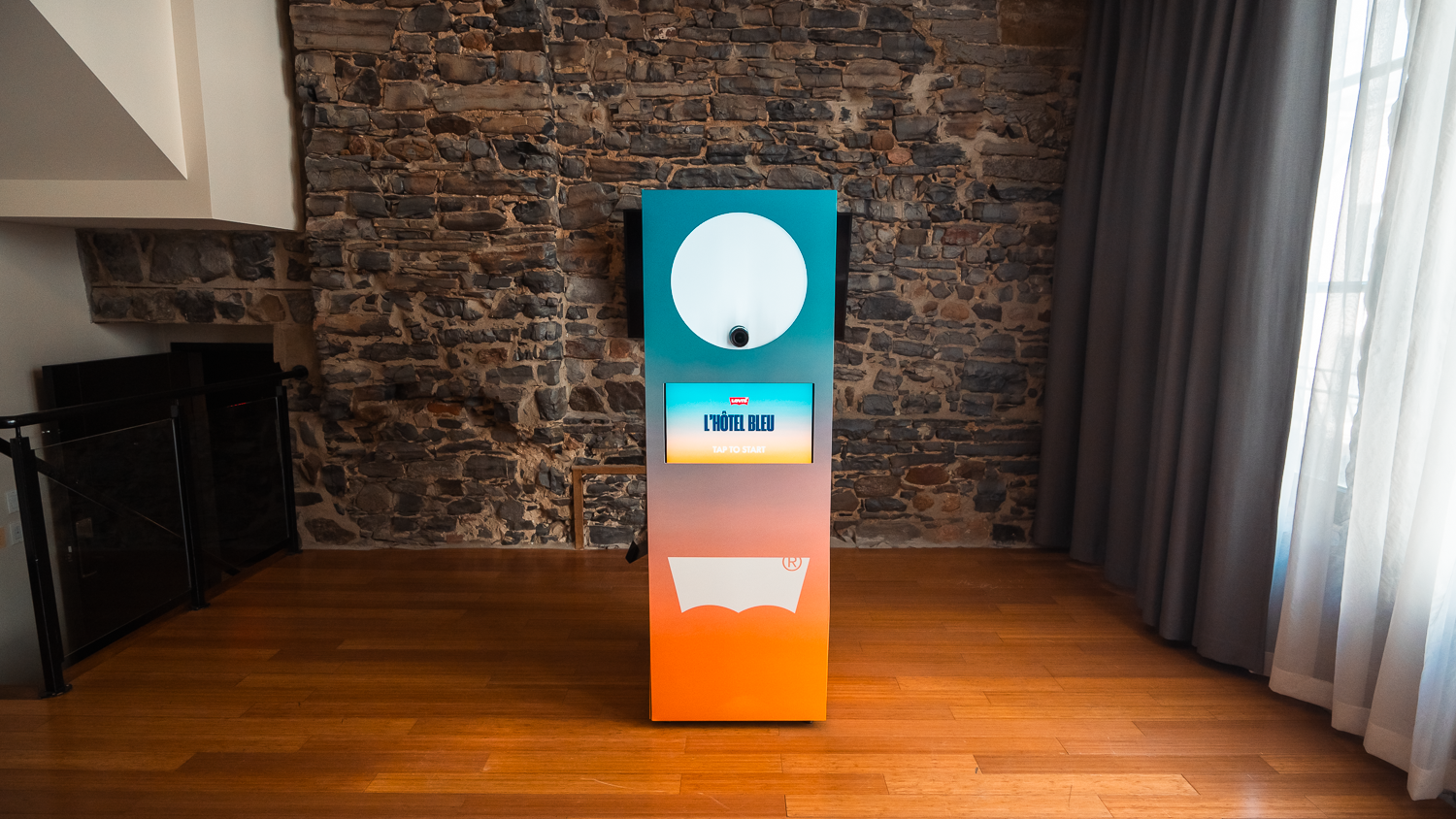
What Is Included in a Professional Photo Booth Rental?
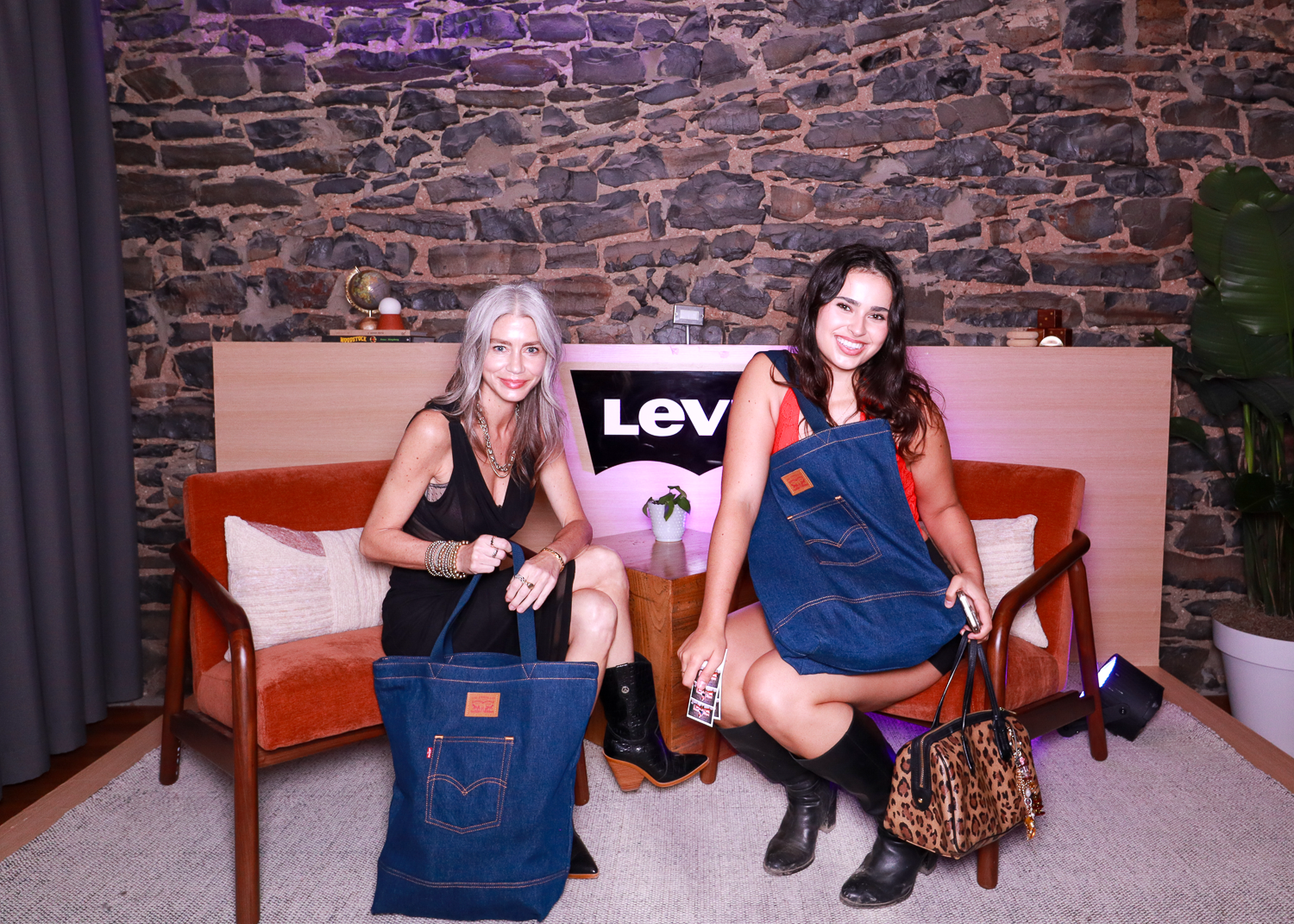
A professional photo booth rental includes much more than the equipment guests see at the event.
When comparing a photo booth rental in Toronto, the inclusion list is often the clearest way to understand why two packages with the same operating time may provide very different levels of service.
For a standard staffed Snaptique printing booth, the starting package generally includes three hours of active service, unlimited sessions, unlimited instant prints, a standard backdrop, props, one attendant, customized print artwork, colour or black-and-white photography, event setup and teardown, and an edited online gallery after the event. Guests can also receive their photographs by email or text during the event when reliable venue Wi-Fi is available.
Behind that visible experience is a larger team coordinating event details, preparing artwork, scheduling staff and vehicles, testing equipment, transporting backups and editing the final files.
The exact inclusions vary by booth format. An unattended Digital Booth does not include an attendant or printed photographs. A 360 Video Booth includes two attendants because guests need active direction. A Glambot requires considerably more planning and production. Trailer booths include both photo technology and a staged physical experience.
That is why the best way to compare photo booth packages is not to look only at the headline price or number of operating hours. Look at the complete experience before, during and after the event.
Quick Facts
- A standard staffed printing package starts with three active rental hours.
- Guests can return for unlimited sessions during the booked operating time.
- Snaptique prints one copy for every person in the photograph: three people receive three prints, and ten people receive ten prints.
- Clients choose a print layout and can add a personal message or logo.
- Colour or black-and-white photography, a standard backdrop and props are included.
- One attendant is included with a standard staffed printing booth.
- Email and text sharing are available when reliable venue Wi-Fi is available.
- Setup and teardown take place outside the booked operating hours.
- The final online gallery includes branded event images and lightly edited, colour-corrected full-size photographs.
- Standard post-event delivery is within approximately five business days.
- Exact inclusions differ for Digital, 360, Glambot and trailer experiences.
What Is Included with a Standard Staffed Printing Booth?
The starting package for Snaptique’s staffed printing booths generally includes:
| Inclusion | What it means |
|---|---|
| Three-hour rental | Three hours when the booth is actively operating for guests. Setup and teardown do not reduce this time. |
| Unlimited sessions | Guests may return and use the booth as often as they like during the operating time. |
| Unlimited instant prints | Every person in the photograph receives a copy rather than one print being shared by the whole group. |
| Customized print layout | The client chooses the layout and can add event details, a personal message or a logo. |
| Colour or black and white | The photography style can be selected to suit the event. |
| Standard backdrop | A standard backdrop is included, with premium or fully customized options available separately. |
| Prop set | Props are included unless the client prefers a cleaner, prop-free setup. |
| One attendant | A trained team member welcomes guests, manages the experience and handles technical or print needs. |
| Email and text sharing | Guests can share their photographs when the venue provides reliable Wi-Fi. |
| Edited online gallery | The client receives both branded images and lightly edited, colour-corrected full-size photographs after the event. |
| Setup and teardown | The team delivers, installs, tests, operates and removes the experience. |
This list applies to a standard staffed printing experience. Individual booths and custom productions may include different staffing, output or installation requirements.
Unlimited Prints Should Mean More Than One Copy per Session
“Unlimited prints” can mean different things from one company to another, so it is worth asking exactly how many copies each group receives.
At Snaptique, we print for the people in the photograph:
- Three people in the photograph receive three copies.
- Six people receive six copies.
- Ten people receive ten copies.
Guests do not have to decide who gets to keep the only print. Everyone in the group can leave with one.
Unlimited sessions also means guests can return as many times as they want while the booth is actively running. They might begin with a family photograph, return with friends and come back later once the party becomes livelier.
There is naturally a physical limit to how many sessions can happen within an hour, but there is no per-guest or per-session allowance built into the standard package.
The Rental Begins Before the Event Day
Once the sale is complete, Snaptique’s full-time client coordinator becomes involved. We call this role the Orchestrator of Experiences because the job is not simply collecting a few details and adding them to a calendar.
The coordinator introduces herself, sends the client an easy planning form and follows up with reminders when information or approvals are still needed. She becomes the link between the client and the people responsible for turning the booking into a working event:
- Graphic design team
- Experience Coordinator
- Logistics Lead
- On-site attendants
- Other production staff required for the selected booth
The information gathered can include:
- Complete event timeline
- Venue and room
- Loading and access instructions
- Floor plan or proposed booth location
- Parking and loading details
- Venue contacts
- Power and Wi-Fi availability
- Booth operating time
- Early setup or standby requirements
- Backdrop and prop choices
- Artwork direction and approval
- Special event or brand requirements
This coordination gives the ground team the information it needs before arriving. It also allows the team to spot scheduling conflicts, missing access details or setup concerns while there is still time to solve them.
Our coordinators catch issues regularly. A booth may be scheduled to open during speeches, the proposed location may be too far from power or a venue may have a loading restriction that was not included in the original inquiry. A small adjustment before the event can prevent a much larger problem on the day.
Customized Artwork Is Part of the Experience
For a standard printing booth, the client chooses a print layout and can provide colours, a logo, event details or inspiration. Snaptique’s graphic design team prepares the artwork and sends it for approval before the event.
Depending on the booth and package, artwork may include:
- Print layout
- Personal message or event details
- Client or sponsor logo
- Colour palette
- Welcome screen
- Booth instructions or sharing screens
- Branded overlay or banner for digital and video content
The client approves the artwork before it is loaded into the booth.
This is an important distinction between a customized event experience and simply placing a camera in the room. The printed and digital output should look like it belongs at the wedding, party or brand activation.
Premium and fully customized backdrops involve additional production and may require a team member who specializes in installing them. Booth wraps, advanced user-interface design and more extensive brand customization are also separate upgrades.
The post-event gallery is handled by an editor rather than the graphic design team. That work happens after the event and has a different purpose: preparing the finished photographs for digital delivery.
What Does the Attendant Actually Do?
Many Snaptique booths use touchscreens and can technically be operated by guests. A professional attendant still changes the experience.
The attendant can:
- Welcome guests and explain how the booth works
- Encourage participation without being pushy
- Help groups arrange themselves within the frame
- Suggest poses when guests want direction
- Keep the line moving
- Make sure each person receives a print
- Refill printer media
- Keep props and the booth area presentable
- Watch image and print quality
- Correct a print jam, loose cable or other minor issue
- Communicate with the manager on duty when support is required
The best event-day problem is the one the client never learns occurred.
With the volume of events Snaptique operates, the team has learned that replacing a printer can sometimes be faster and safer than troubleshooting a jam while guests wait. A cable may be swapped before it causes a failure. Most software issues can be corrected remotely in under five minutes.
The attendant is there to protect the guest experience, not merely press the button.
Can Guests Operate the Booth Themselves?
For many photography booths, yes. Guests can follow the touchscreen prompts and take their own photographs.
That does not make an attended booth the same as an unattended one. A touchscreen handles the basic session; it does not welcome a hesitant guest, help a group of ten fit into the frame, monitor the printer or notice that a prop area has become untidy.
The unattended Digital Booth is intentionally designed as a simpler drop-off experience. It has no print service and fewer moving parts, so there is less to go wrong. It suits events that want longer access and digital content without a staffed activation.
The 360 Video Booth is the opposite. It should not be operated by guests alone. The moving camera arm and guided movement require trained staff to manage the platform, direct each group and operate the experience safely.
How Inclusions Change by Booth Type
“Professional photo booth rental” describes the standard of planning and delivery. It does not mean every format includes the same physical output, staffing or production.
| Experience | Typical inclusions and important differences |
|---|---|
| Staffed printing booths | Three active hours, one attendant, unlimited sessions, one print per person, standard backdrop, props, customized print artwork, digital sharing with Wi-Fi, setup, teardown and post-event gallery. |
| Unattended Digital Booth | Drop-off setup without an attendant or print service. Guests create and share digital content. Fewer moving parts make it suitable for longer, self-serve availability. |
| 360 Video Booth | Three-hour rental, two attendants, black exterior, customized overlay or banner with the client’s design or logo, social/email/SMS sharing with Wi-Fi, online gallery, setup and teardown. It is a fully guided experience. |
| Glambot | Advance creative and production planning, custom video treatment, professional lighting, trained operators, guest direction, setup, teardown and finished clips. The exact package depends on the activation. |
| VW Bus, Boler and Airstream | Photo technology plus a staged experience inside and outside the vehicle or trailer, transportation, placement, setup, teardown and staff trained for the specific unit. |
The correct inclusion list should always be reviewed for the booth being booked.
What Is Included with the Digital Booth?
The Digital Booth is a drop-off, print-free experience.
Snaptique delivers, installs and tests it before the event, then returns to collect it. Guests use the touchscreen to create photographs, GIFs, boomerangs or the selected digital content and can share their results when a suitable internet connection is available.
It intentionally does not include:
- An on-site attendant
- Instant printed photographs
Removing the printer and attendant makes the experience simpler and reduces the number of moving parts. It is a practical option when clients want digital content, a smaller physical setup or longer event availability without a fully staffed activation.
What Is Included with the 360 Video Booth?
The standard 360 Video Booth package includes:
- Custom overlay or banner using the client’s design or logo
- Three-hour rental
- Two photo booth attendants
- Black exterior
- Online gallery from the event
- Social media, SMS and email sharing when Wi-Fi is available
- Setup and teardown
The two attendants are not an optional flourish. The 360 is an operated experience. Guests need help stepping onto the platform, understanding what to do and remaining safely within the correct area while the camera arm moves around them.
One team member can guide guests and manage the queue while the other controls the activation. That produces better videos and a safer, smoother flow.
What Is Included with a Glambot?
A Glambot rental involves far more advance preparation than a standard touchscreen photo booth.
Before the event, the production team needs to understand the creative direction, output style, event schedule, guest volume, installation space and brand requirements. The camera movements and video treatment must support the intended experience.
On-site, trained operators position and direct each guest. Professional lighting, programmed camera paths and active operator control work together to create the slow-motion result.
The specific crew and deliverables depend on the activation, but the essential point is that Glambot is a guided video production. The equipment alone is not the experience.
What Is Included with a Trailer Photo Booth?
The VW Bus, Boler and Airstream combine photography with a physical environment.
The experience includes staging inside and outside the unit so it looks intentional from the moment guests approach it. The team transports and positions the vehicle or trailer, installs the photo system, prepares the guest area, tests the output and removes everything afterward.
These booths also require people who understand the individual unit. Towing, backing into position, levelling, entrance setup and venue access are part of the delivery—not separate tasks the client is expected to solve.
Within the GTA, normal delivery, setup and teardown are generally included in the package. Events outside the GTA are possible, with travel added. Accommodation may also be required depending on the distance and schedule.
Setup and Teardown Do Not Reduce the Rental Time
The team does not arrive when the booth is scheduled to open.
For most booths, Snaptique arrives approximately two hours before operating time. The Classic and more involved installations may require approximately three hours or longer.
During setup, the team:
- Unloads and moves the equipment into the venue
- Builds the booth, backdrop and prop or staging areas
- Installs lighting, printers and sharing technology
- Loads or checks the approved event artwork
- Tests the camera and software
- Confirms the print layout and alignment
- Checks that digital output is working as expected
- Corrects minor programming or venue-specific issues
- Cleans and presents the full guest area
Snaptique intentionally builds in more setup time than the equipment may require on a perfect day. Events rarely happen in perfect laboratory conditions. There can be loading delays, unexpected room changes, access questions or a technical issue that needs attention.
The buffer gives the team time to solve those “what ifs” before the first guest arrives.
Teardown begins after the contracted service ends. The team closes the experience, packs the equipment and removes it from the venue without counting that work against the active rental.
What Backup Equipment and Support Are Included?
Backup planning is part of operating professionally.
Snaptique carries replacement equipment for the components most likely to need a fast swap, including printers, cameras, lighting, cables and other booth parts. A backup computer is normally added when an event is more than approximately two hours away and an immediate replacement could not be delivered quickly.
Equipment is only one layer of the plan. Snaptique also has:
- A backup person available if a scheduled team member becomes sick
- A manager on duty
- A team member with a vehicle who can deliver replacement equipment
- Remote technical support for software issues
- A larger operational team that can respond when plans change
Most clients will never see these systems in action—and that is the goal. A printer can be swapped, a cable replaced or software corrected without the issue becoming part of the event.
Is Liability Insurance Included?
Snaptique carries standard commercial liability insurance for its operations.
Venues commonly require proof of insurance from event vendors. Clients and planners should confirm that any company they hire has appropriate coverage and can provide the documentation required by the venue.
Insurance does not make an event risk-free, but it is part of operating responsibly in professional venues and public event spaces.
What Does the Client Receive After the Event?
Within approximately five business days, Snaptique provides an online gallery and download access.
The gallery includes:
- The branded event images guests saw or received
- Lightly edited, colour-corrected full-size photographs for digital use
These full-size files are sometimes described as the “originals,” but they are not unedited RAW camera files. An editor reviews and lightly prepares them so the colour and presentation are suitable for digital delivery.
The gallery remains hosted online for convenient viewing, and the client also receives a download link.
Snaptique does not automatically provide a USB because small drives are easily misplaced and a download link is more practical for most clients. If a client supplies a USB, the team can copy the final files onto it.
If files are needed urgently, tell us before the event. Rush delivery may be possible by sending the output immediately and skipping the normal light-editing stage.
What Is Usually an Upgrade?
The starting package is designed to create a complete experience, but some requests require additional materials, labour, design or operating time.
Common upgrades include:
- Custom or premium backdrop
- Full or partial booth wrap
- Guest book
- AI background removal or generative AI experience
- Advanced user-interface and screen customization
- Extended operating time
- Standby time
- Early setup
- Travel outside the normal GTA service area
- Accommodation for distant events
- Additional booths or attendants
- Larger custom production requirements
Props are included automatically with standard staffed printing packages unless there is a specific custom request. The planning form asks whether the client wants them installed because many corporate or design-focused events prefer a cleaner experience without props.
How Should You Compare Photo Booth Inclusions?
Start by asking for the complete package rather than comparing one headline price with another.
Useful questions include:
- How many active hours are included?
- Does setup or teardown reduce the operating time?
- Is an attendant included, and how many?
- Can guests return for unlimited sessions?
- Does every person in a photograph receive a print?
- Are the print layout and digital content customized?
- Is a backdrop included?
- Are props included or optional?
- Can guests share by email or text, and does that depend on venue Wi-Fi?
- What files will the client receive afterward?
- Are the full-size photographs edited?
- How long does delivery take?
- What backup equipment and technical support are available?
- Is the company insured?
- Which costs may be added for travel, early access, upgrades or additional time?
A short inclusion list is not necessarily a bad package, and a long list does not automatically make a company better. The goal is to understand what each phrase means and whether the service matches the event you are planning.
Frequently Asked Questions
Are photo booth prints unlimited?
With Snaptique’s standard staffed printing packages, yes. Guests can take unlimited sessions during the booked operating time, and every person in the photograph receives a print.
Are setup and teardown included in the three-hour rental?
They are included, but they do not take place during the three active hours. The team generally arrives two to three hours before service to install and test the experience, then tears it down after operating time ends.
Is a photo booth attendant included?
One attendant is included with a standard staffed printing booth. The 360 includes two attendants because it is a guided, operated experience. The Digital Booth is intentionally unattended.
Are props and a backdrop included?
A standard backdrop and prop set are generally included with a standard staffed printing package. Clients can choose not to use props. Premium, custom or highly specialized backdrops are upgrades.
Can guests email or text their photos?
Yes, when the selected booth includes digital sharing and reliable venue Wi-Fi is available. Internet quality can affect whether sharing happens immediately during the event.
Are photo booth images edited?
The post-event gallery includes the branded event images and lightly edited, colour-corrected full-size photographs. These are prepared for digital delivery within approximately five business days.
Do clients receive a USB?
A USB is not included automatically. Clients receive an online gallery and download link. If a client provides a USB, Snaptique can copy the final files onto it.
What if the images are needed immediately?
Ask about rush delivery before the event. Snaptique may be able to send the files soon afterward by skipping the normal light-editing stage.
Is delivery included outside Toronto?
Normal GTA delivery is generally included. Events outside the GTA are available with travel charges, and accommodation may be required depending on distance and timing.
Does every booth include the same features?
No. Printing booths, the unattended Digital Booth, 360, Glambot and trailer experiences have different staffing, output and production requirements. Review the complete inclusions for the specific booth you are booking.
You Are Booking the Team Behind the Booth
The camera, screen and printer may be the most visible parts of a photo booth rental, but they are only one part of what the client is purchasing.
A professional experience also includes coordination, client reminders, artwork, approval, transportation, setup, trained staff, technical support, replacement equipment, teardown, editing and final delivery.
Much of that work is designed to disappear. Guests simply see a booth that is ready when it should be, prints that look right, attendants who know what to do and photographs that arrive after the event.
That is the real inclusion: not only access to a piece of equipment, but a team responsible for carrying the experience from booking to final delivery.
See What Is Included with Your Event
Exact inclusions vary by booth format, event location and production requirements. Explore Snaptique’s booth collection or tell our team what you are planning so we can explain the full package clearly before you book.
- Explore all Snaptique photo booths
- Explore wedding photo booth rentals
- Explore corporate photo booths and brand activations
- Contact Snaptique for a custom recommendation and quote
Continue Planning
- How Much Does a Photo Booth Rental Cost in Toronto?
- How to Choose the Right Photo Booth for Your Event
- How Many Hours Do You Actually Need a Photo Booth?
- How Much Space Does a Photo Booth Need?
Author: Chantalle Gallego, Co-Founder of Snaptique Photo Booths
First published: August 24, 2026
Last reviewed: July 26, 2026
Experience note: Based on Chantalle and the Snaptique team’s firsthand experience coordinating and operating professional photo booth experiences since 2014.